Should You Size A Solar System To Your Home's Actual Consumption?
Why matching the array to how you really use energy beats oversizing or undersizing.
Yes, size a solar system to your actual consumption, ideally from a full year of bills, since this reveals how much energy you use and when. Oversizing ties up capital in capacity you may not use, while undersizing leaves savings unrealized. Right sizing to your real usage and goals balances upfront cost against genuine benefit.
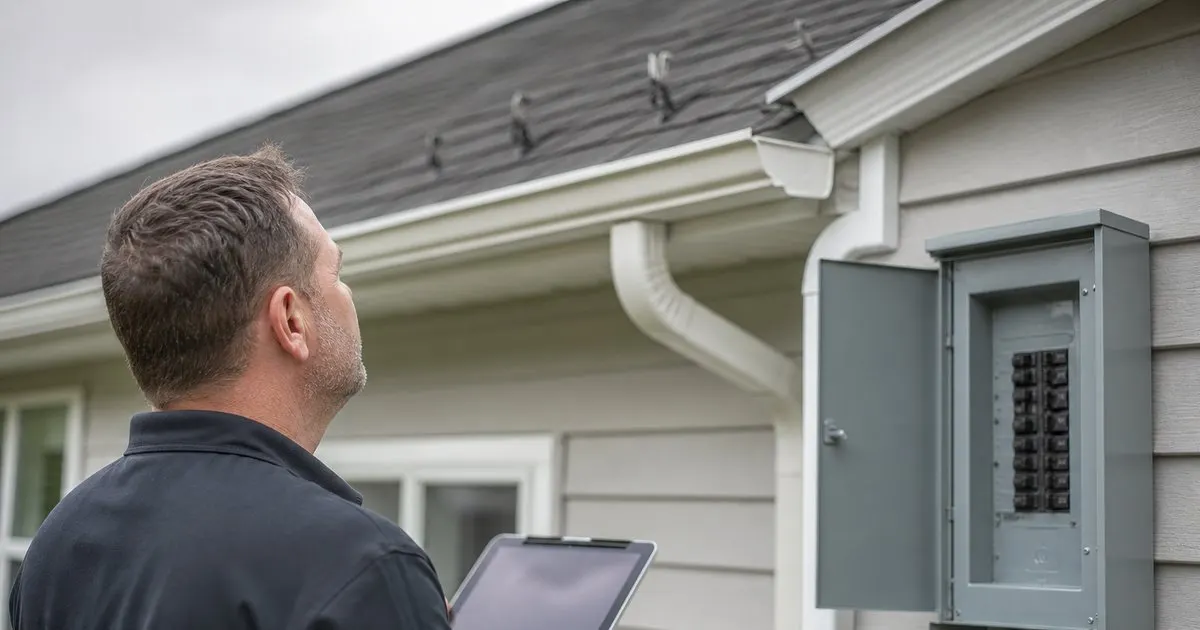
Start from a full year of usage
Correct sizing begins with your actual consumption, ideally a full year of electricity bills. This reveals both how much energy you use and how it varies across the seasons.
Without this foundation, sizing is guesswork. Understanding your real usage is the single most important input to a system that fits your home. Related: How Do You Compare Home Solar Quotes On Substance, Not Salesmanship?
Keep reading: How Do You Compare Home Solar Quotes On Substance, Not Salesmanship?, What Panel Qualities Actually Determine Your Solar System's Lifetime Output?, Which Inverter Design Best Suits A Complex Or Partly Shaded Roof?. See how Solarholm helps you the homeowner guide to premium solar and home batteries.
The cost of oversizing
An array larger than you need ties up capital in capacity you may not fully use, and where export credits are low, surplus generation may return little. Bigger is not automatically better.
Oversizing can feel impressive but erode value. Matching capacity to genuine need keeps the investment efficient rather than paying for power you cannot use well.
The cost of undersizing
Too small a system leaves savings unrealized, drawing more from the grid than necessary. It can also disappoint if you expected the array to cover more of your usage. Related: Why Does Installer Workmanship Matter More Than The Panel Brand On Your Roof?
Undersizing quietly limits the return. The goal is a system that meets a sensible share of your consumption, balancing upfront cost against the energy you actually use. Related: Can Home Solar Realistically Pay For Itself Within Your Ownership Period?
Right sizing to your goals
The best size follows your consumption and your goals, whether to offset most usage, prepare for an electric vehicle, or match a budget. A thoughtful installer sizes to these, not to a default.
Right sizing balances cost against benefit for your household. Grounded in your real usage and plans, it delivers the most value the roof and budget allow. Related: Are Premium Solar Panels Worth The Extra Cost Over Budget Options?
- Base sizing on a full year of usage
- Oversizing ties up capital in unused capacity
- Undersizing leaves savings unrealized
- Right size to your consumption and goals

Julien Jimenez
Julien Jimenez is an independent software builder based in Paris. He designs, ships, and operates focused SaaS products for small businesses and independent professionals. Read the full author page.
Frequently asked questions
Is a bigger solar system always better?
No. Oversizing ties up capital in capacity you may not fully use, and where export credits are low, surplus power may return little. Matching the array to your actual consumption is usually the wiser approach.
Should I size for future needs like an electric vehicle?
It can be sensible if such changes are likely, since they raise consumption. Discuss anticipated needs with your installer so the system is sized to your realistic future usage, not just today's bills.
Power That Works For Decades
The homeowner guide to premium solar and home batteries. Solarholm is built to help you put this into practice.
Get a solar planMore from the Solarholm blog
How Do You Compare Home Solar Quotes On Substance, Not Salesmanship?
What Panel Qualities Actually Determine Your Solar System's Lifetime Output?
Which Inverter Design Best Suits A Complex Or Partly Shaded Roof?
Get the complete home solar and storage guide
Our full buying guide, the price guide, and new research as we publish it. One email, no spam, unsubscribe any time.