How Much Of Your Home Can A Single Battery Actually Keep Running During An Outage?
A single home battery is not a whole-house generator, and pretending otherwise leads to disappointment on the first stormy night. Here is how capacity, power rating, and circuit selection decide what stays on when the grid drops.
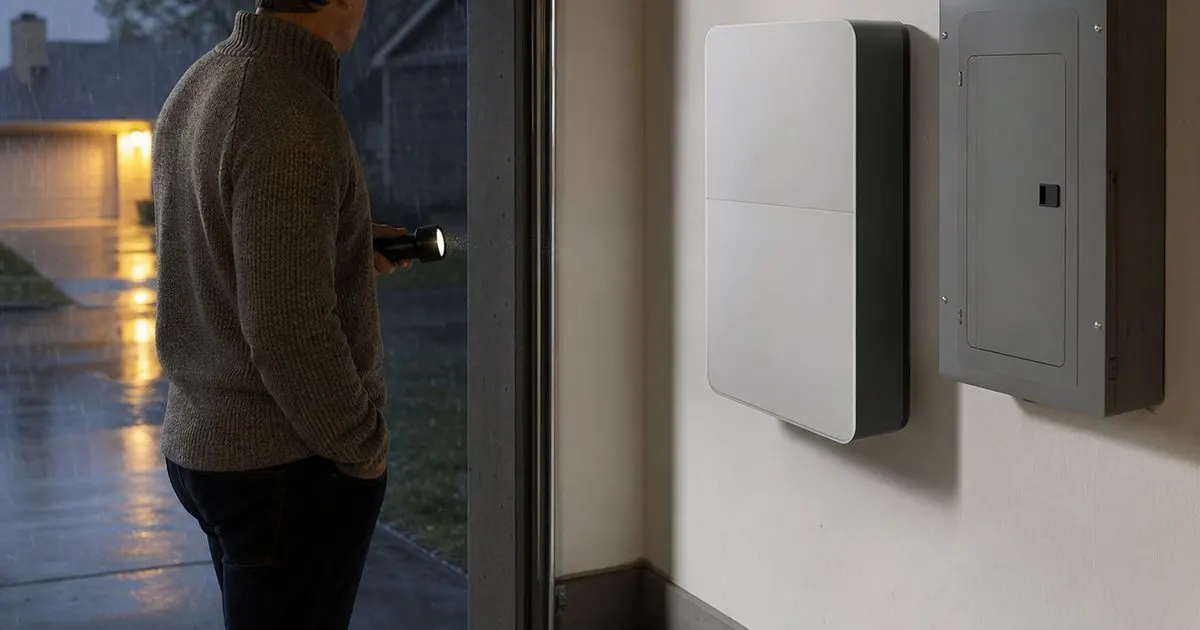
Capacity and power are two different limits
The first number a salesperson quotes is usually capacity, measured in kilowatt-hours. That tells you how much energy the battery can hold, which governs how long it can run a given set of loads. The number that gets far less attention is the continuous power rating in kilowatts, which governs how much the battery can deliver at any single moment. A residential unit typically stores somewhere in the low teens of kilowatt-hours and delivers continuous output in the single-digit kilowatts, but the exact figures vary by product and by how many units are stacked together. Both numbers matter, and they fail in different ways. Related: When Does Adding A Home Battery Genuinely Make Financial Sense?
The practical consequence is that a battery holding a full day of lighting and refrigeration can still refuse to start a central air conditioner. Motors draw a brief surge when they start, often several times their running load, and if that surge exceeds the battery's peak rating the inverter will trip rather than strain. Well pumps, sump pumps, and heat pump compressors are the classic offenders. Before you buy, ask for both the continuous and the peak rating, and ask the installer to name specifically which of your large motor loads the proposed system can start on its own. Related: Why Do Two Solar Quotes For One Roof Differ So Greatly?
Keep reading: How Do You Compare Home Solar Quotes On Substance, Not Salesmanship?, What Panel Qualities Actually Determine Your Solar System's Lifetime Output?, Which Inverter Design Best Suits A Complex Or Partly Shaded Roof?. See how Solarholm helps you the homeowner guide to premium solar and home batteries.
Whole-home versus critical loads backup
Most single-battery installations use a critical loads subpanel. The installer moves a chosen set of circuits to a smaller panel that the battery feeds during an outage, and everything else simply goes dark. This is not a compromise to be embarrassed about; it is the disciplined choice. A well-chosen list usually includes the refrigerator and freezer, a handful of lighting circuits, the internet equipment, the garage door opener, any medical devices, and the blower for a gas furnace. Water and sewage matter more than people expect, so a well pump or sump pump often earns a place even though it strains the power budget.
Whole-home backup connects the battery ahead of the main panel so every circuit stays live, and it typically relies on load management devices that automatically shed large appliances when demand climbs too high. The electric vehicle charger, the range, the dryer, and the air conditioner are the usual candidates for shedding. This approach is more elegant to live with but more expensive to build, and it frequently triggers a main panel upgrade or a service disconnect rearrangement. If your household will notice the difference between a few dark rooms and a fully normal evening, the added cost may be worth it; if not, the subpanel is the better value. Related: How Do You Compare Home Solar Quotes On Substance, Not Salesmanship?
Making the stored energy last
A battery that recharges from solar during an outage behaves very differently from one that does not. For the panels to keep producing when the grid is down, the battery inverter must be able to form its own small grid, and the solar must be wired to feed it. Not every product does this, and even those that do impose limits on how much solar they can absorb at once. In a summer outage a properly configured system can run modest loads almost indefinitely. In a winter storm with snow on the panels, you are living off whatever was stored when the lights went out. Related: What Panel Qualities Actually Determine Your Solar System's Lifetime Output?
Some honest arithmetic helps. A refrigerator, a few LED lights, a router, and a gas furnace blower might average well under a kilowatt across an evening, so a battery with roughly a dozen usable kilowatt-hours could carry those loads for a day or more. Add an electric water heater, a space heater, or an oven and the same battery can be drained in a few hours. The lesson is that outage endurance depends far more on household discipline than on the nameplate. Households that plan to run heavy resistive loads should either add units or pair the battery with a generator.
Questions to settle before you buy
Start with the outage you are actually preparing for. A neighborhood that loses power for two hours a few times a year needs something quite different from a rural property that has seen multi-day outages after ice storms. For short interruptions a single battery on a critical loads panel is more than adequate. For extended outages the most resilient arrangement is often a battery that bridges the first hours quietly and a generator that recharges it when reserves run low, which keeps the generator running only occasionally rather than all night.
Then confirm the specifics in writing. Ask whether the proposed battery supports off-grid operation at all, because some units are designed only to shift energy while grid-connected. Ask whether the solar array will charge the battery during an outage and what the maximum charge rate is. Ask for a load list showing which circuits will be backed up and an estimated runtime for a typical evening. An installer who can answer these plainly has thought about your outage; one who deflects to a brochure has not.
- Capacity in kilowatt-hours sets how long a battery runs, while the power rating in kilowatts sets what it can run at once.
- A critical loads subpanel is the disciplined choice for a single battery, and whole-home backup usually requires load shedding and a larger budget.
- Solar recharging during an outage only works if the battery inverter can form its own grid and accept the array's output.
- Endurance depends more on what your household chooses to run than on the battery's nameplate.

Julien Jimenez
Julien Jimenez is an independent software builder based in Paris. He designs, ships, and operates focused SaaS products for small businesses and independent professionals. Read the full author page.
Power That Works For Decades
The homeowner guide to premium solar and home batteries. Solarholm is built to help you put this into practice.
Get a solar planMore from the Solarholm blog
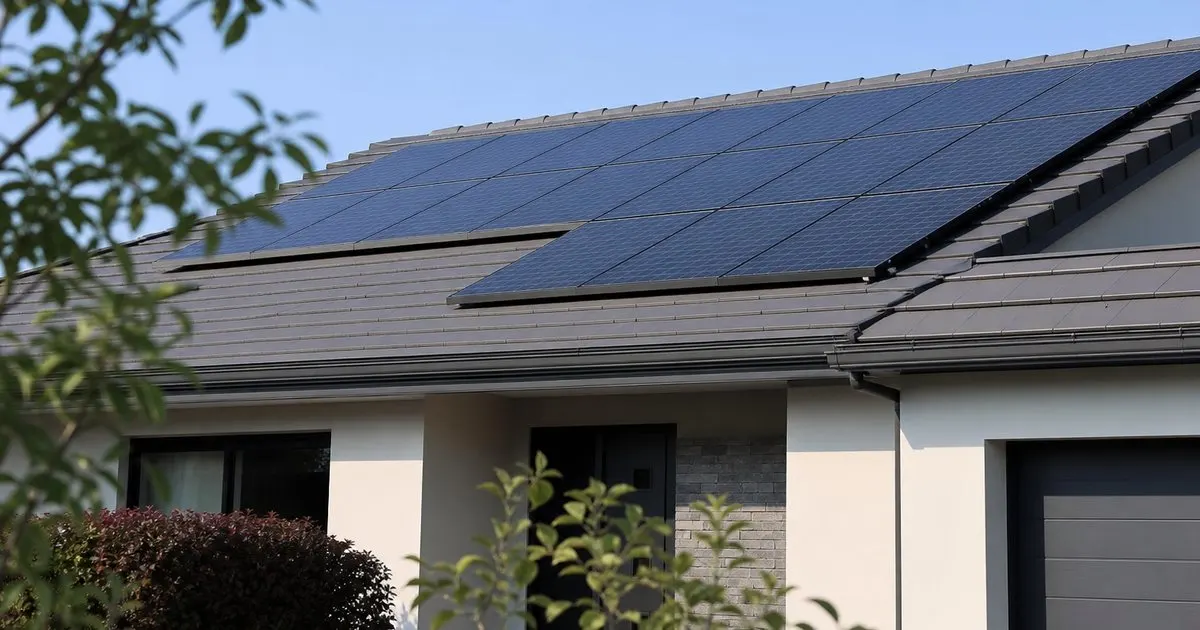
How Do You Compare Home Solar Quotes On Substance, Not Salesmanship?
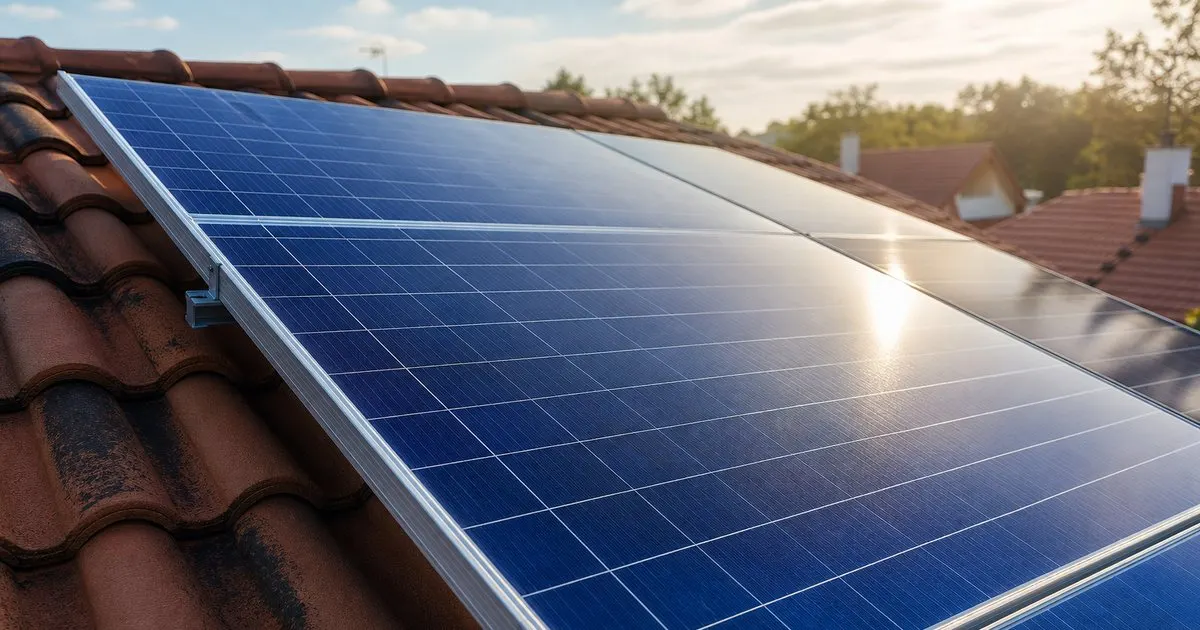
What Panel Qualities Actually Determine Your Solar System's Lifetime Output?
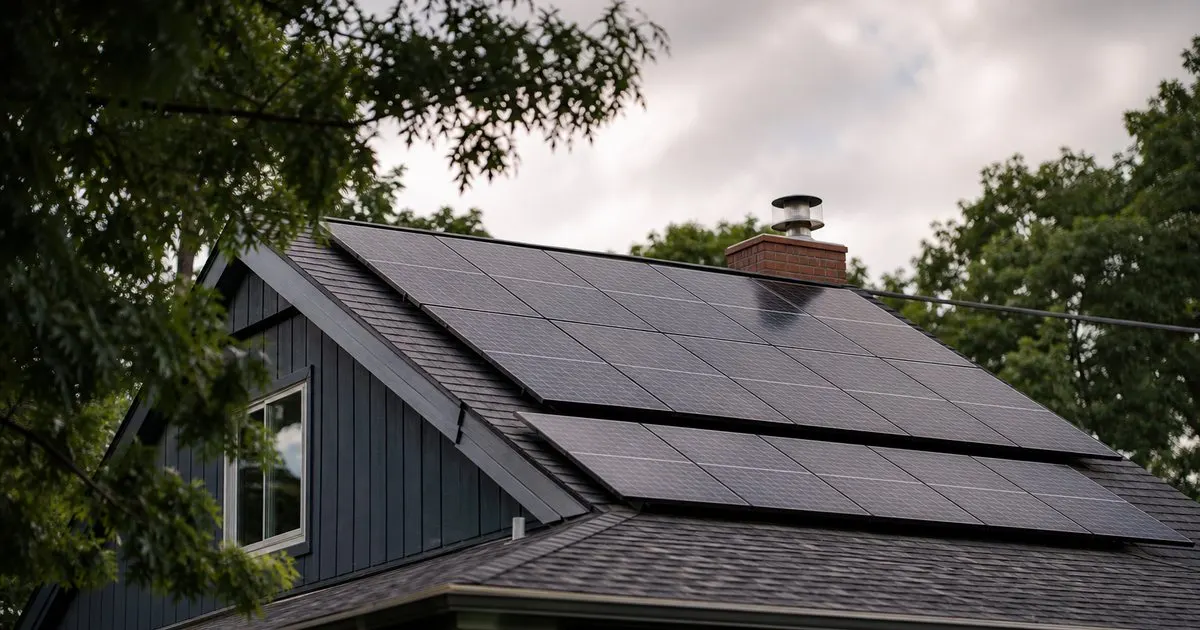
Which Inverter Design Best Suits A Complex Or Partly Shaded Roof?
Get the complete home solar and storage guide
Our full buying guide, the price guide, and new research as we publish it. One email, no spam, unsubscribe any time.