What Panel Qualities Actually Determine Your Solar System's Lifetime Output?
Beyond the wattage on the label, the traits that decide decades of generation.
Lifetime output is determined by more than label wattage. Efficiency sets how much each panel generates per unit of roof, degradation rate governs how much output survives over decades, and build quality with manufacturer stability protects the long warranty. Judged together, these traits reveal why a modest premium often buys years of extra reliable generation.
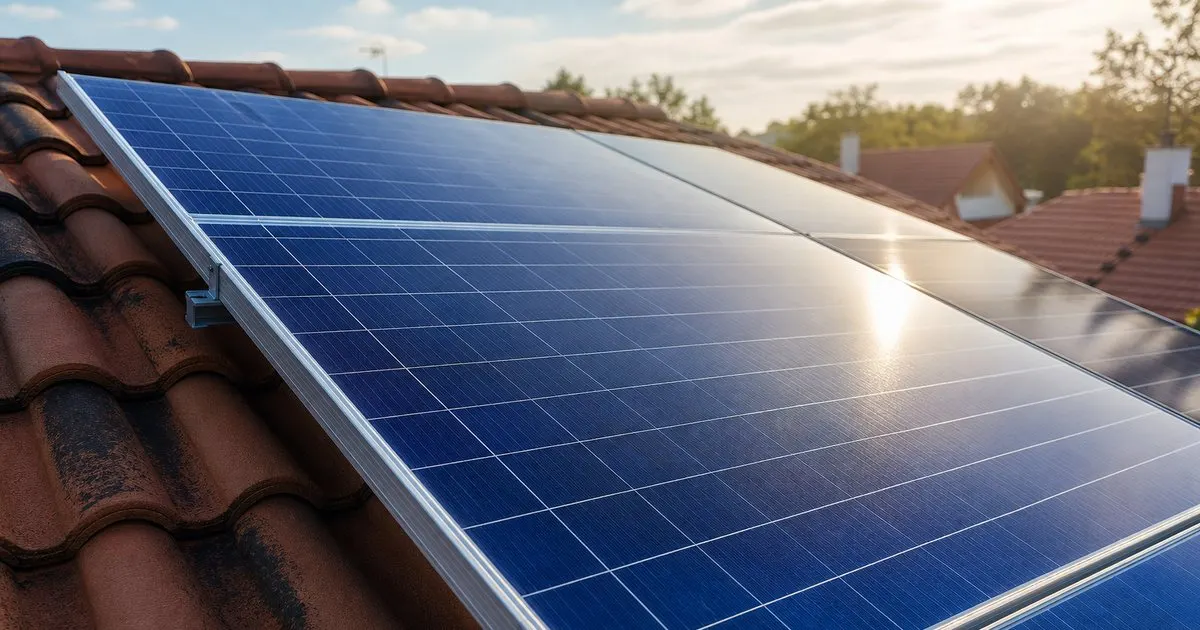
Efficiency and usable roof space
Efficiency describes how much sunlight a panel converts to electricity. Higher efficiency panels generate more from the same area, which matters when roof space is limited. Related: Does Roof Orientation And Shading Really Change Your Solar Generation Much?
A more efficient panel can mean fewer panels for the same output, or more output from a small roof. Efficiency is a foundational trait, though it is only part of the picture. Related: When Should You Replace Your Roof Before Installing A Home Solar Array?
Keep reading: How Do You Compare Home Solar Quotes On Substance, Not Salesmanship?, Which Inverter Design Best Suits A Complex Or Partly Shaded Roof?, Why Do Two Solar Quotes For One Roof Differ So Greatly?. See how Solarholm helps you the homeowner guide to premium solar and home batteries.
Degradation rate over the years
Panels slowly produce less over time, and the degradation rate governs how much output remains after a decade or two. A lower rate means more generation across the system's long life. Related: Should Your Home Battery Prioritize Self-Consumption, Backup Reserve, Or Peak-Rate Arbitrage?
Two panels of equal starting wattage can diverge significantly over twenty years if their degradation rates differ. This slow decline is central to true lifetime output.
Build quality and manufacturer stability
Durable construction resists the heat, moisture, and weather that age panels. Equally, a stable manufacturer is more likely to exist to honor a long warranty years from now.
A warranty is only as good as the company behind it. Favoring well built panels from established makers protects the investment over its multi decade life.
Why a small premium often pays
A slightly higher panel cost frequently buys years of extra reliable generation through better efficiency, lower degradation, and sturdier build. Over decades, that can outweigh a lower sticker price. Related: Are Premium Solar Panels Worth The Extra Cost Over Budget Options?
Lifetime output, not the initial figure, is what matters. Judging panels on efficiency, degradation, and durability together points to genuine long term value.
- Efficiency sets output per unit of roof
- Degradation rate governs long term generation
- Build quality and maker stability protect the investment
- A small premium often buys years of extra output

Julien Jimenez
Julien Jimenez is an independent software builder based in Paris. He designs, ships, and operates focused SaaS products for small businesses and independent professionals. Read the full author page.
Frequently asked questions
Are the highest wattage panels always the best?
Not necessarily. Wattage is a starting point, but efficiency, degradation rate, and durability shape lifetime output. A panel with lower degradation and better build can outproduce a higher wattage one over decades.
What is panel degradation and why does it matter?
Degradation is the slow yearly decline in a panel's output. A lower rate means more generation remains after ten or twenty years, so it strongly influences the total energy a system produces over its life.
Power That Works For Decades
The homeowner guide to premium solar and home batteries. Solarholm is built to help you put this into practice.
Get a solar planMore from the Solarholm blog
How Do You Compare Home Solar Quotes On Substance, Not Salesmanship?
Which Inverter Design Best Suits A Complex Or Partly Shaded Roof?

Why Do Two Solar Quotes For One Roof Differ So Greatly?
Get the complete home solar and storage guide
Our full buying guide, the price guide, and new research as we publish it. One email, no spam, unsubscribe any time.