When Should You Replace Your Roof Before Installing A Home Solar Array?
An array is meant to stay put for decades, and lifting it off to reroof later is an expensive, avoidable project. Here is how to judge whether the roof underneath deserves a new life first.
Why roof age governs the whole decision
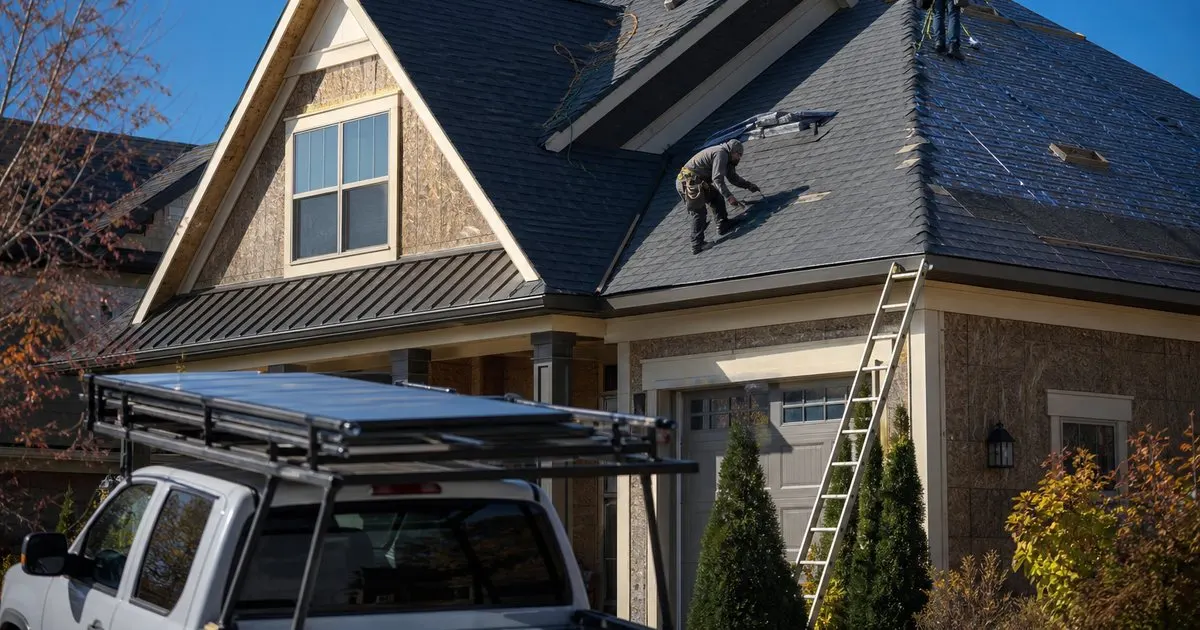
Premium solar systems are designed and warranted with a service life measured in decades, and the mounting hardware is fastened directly into the roof structure. When the roofing material beneath the array wears out, the panels, rails, and wiring must be removed, the roof replaced, and everything reinstalled and reinspected. That remove-and-reinstall work is skilled labor priced by the panel, and it can consume a meaningful share of what the original installation cost. It also introduces a second set of penetrations and a second chance for something to leak. Related: What Panel Qualities Actually Determine Your Solar System's Lifetime Output?
The general guidance from installers and roofers alike is that a roof with fewer than roughly ten years of remaining life should be replaced before solar goes on, and a roof with well over fifteen years remaining can usually carry an array for its full term. The gray zone in between depends on climate, material, and how much disruption you are willing to schedule later. Asphalt shingles in a hot, sunny climate age faster than the same product in a mild one, and concrete tile or standing seam metal can easily outlast the panels above them. Related: Which Inverter Design Best Suits A Complex Or Partly Shaded Roof?
Keep reading: How Do You Compare Home Solar Quotes On Substance, Not Salesmanship?, What Panel Qualities Actually Determine Your Solar System's Lifetime Output?, Which Inverter Design Best Suits A Complex Or Partly Shaded Roof?. See how Solarholm helps you the homeowner guide to premium solar and home batteries.
How to assess what you actually have
Do not rely on the solar company's assessment alone. Installers are motivated to proceed, and while most are honest about a clearly failing roof, they are not roofing experts and are not the ones who will be liable for a leak in year eight. Hire a roofer who has no financial stake in the solar sale to inspect the surface and the attic. On asphalt roofs they will look for granule loss, curling or cupping shingles, cracked or lifted flashing, and soft or stained decking visible from below. On tile roofs the underlayment, not the tile, is usually the component that ages out. Related: When Does Adding A Home Battery Genuinely Make Financial Sense?
Ask the roofer for a written estimate of remaining life and for an opinion on whether the decking can accept the mounting fasteners. Older homes sometimes have plank decking or thin sheathing that complicates attachment. If the roof has already been repaired in patches, find out whether those patches were flashed properly, because the array will sit over them for decades. A modest inspection fee spent here can prevent the single most expensive mistake in residential solar, which is putting a new array on a roof that needs replacing five years later.
Coordinating the two projects
If replacement is warranted, sequence matters. Reroof first, let the new material settle through at least one warm spell so shingles seal, and then have the solar crew mount on a clean surface. Many roofers and installers now work together and will coordinate flashing details so that both warranties remain intact. Ask both parties in writing who is responsible if a penetration leaks, because the most common dispute after a combined project is each contractor blaming the other.
The reroof is also a chance to choose a material that makes the array easier to mount and easier to service. Standing seam metal allows clamp mounting with no roof penetrations at all, which is the most leak-resistant arrangement available. A heavier architectural shingle typically outlasts a basic three-tab product. If you are replacing tile, discuss whether the array area should be converted to a composition section beneath the panels with tile retained around it, a method some installers use to reduce breakage and cost. Whatever you choose, keep the roofing warranty documents with the solar paperwork.
When you can reasonably wait
A roof that is only a few years old, or a durable material with a long expected life, does not need to be replaced simply because solar is coming. In that case the priority shifts to protecting what is there: insist on proper flashed mounts rather than sealant-only attachments, ask the installer to photograph every penetration before the panels cover it, and keep those photos with your records. If the roof is in the gray zone, one honest approach is to price the future remove-and-reinstall now, set that money aside, and accept the disruption later rather than replacing a roof with real life left in it. Related: Why Do Two Solar Quotes For One Roof Differ So Greatly?
Some homeowners in this position consider integrated solar roofing products, where the roofing surface itself generates electricity, as a way to combine both projects. These systems can be a genuine option for a full reroof, but they are priced as a roof plus a solar array, they are usually installed by a smaller pool of specialists, and their performance and serviceability should be weighed against a conventional array on a fresh roof. Whichever route you take, the aim is the same: a roof and an array that reach the end of their lives at roughly the same time.
- Removing and reinstalling an array for a later reroof is skilled labor priced per panel, so it is best avoided by reroofing first when the roof is aging.
- A roof with fewer than about ten years of remaining life should generally be replaced before solar, and a roof with fifteen or more can usually carry an array for its full term.
- Have a roofer with no stake in the solar sale inspect the surface, the flashing, and the decking from the attic.
- If you do reroof, standing seam metal or a heavy architectural shingle makes mounting more secure and servicing simpler.

Julien Jimenez
Julien Jimenez is an independent software builder based in Paris. He designs, ships, and operates focused SaaS products for small businesses and independent professionals. Read the full author page.
Power That Works For Decades
The homeowner guide to premium solar and home batteries. Solarholm is built to help you put this into practice.
Get a solar planMore from the Solarholm blog
How Do You Compare Home Solar Quotes On Substance, Not Salesmanship?
What Panel Qualities Actually Determine Your Solar System's Lifetime Output?
Which Inverter Design Best Suits A Complex Or Partly Shaded Roof?
Get the complete home solar and storage guide
Our full buying guide, the price guide, and new research as we publish it. One email, no spam, unsubscribe any time.