Which Warranty Terms Matter Most When You Buy A Premium Home Solar System?
A solar proposal carries several overlapping warranties, and the headline year count is rarely the one that protects you. Here is how to read product, performance, workmanship, and battery coverage like someone who expects to make a claim.

The several warranties hiding inside one proposal
A residential solar system is really a bundle of separately warranted parts. The panels carry a product warranty against defects in materials and construction, and a separate performance warranty that promises the modules will still produce at least a stated share of their rated output after a set number of years. The inverter carries its own product warranty, and here the architecture matters: microinverters commonly carry a term that matches the panel product warranty, while a single string inverter's term is often shorter than the panels' and sometimes extendable for a fee. The racking has a manufacturer warranty of its own. Then there is the installer's workmanship warranty, which covers the labor, the wiring, and the roof penetrations that no manufacturer will touch. Related: How Do You Compare Home Solar Quotes On Substance, Not Salesmanship?
If a battery is included, add one more layer. Battery warranties are usually written around two conditions: a period in years and a limit on energy throughput or cycle count, whichever arrives first. They also promise a minimum retained capacity at the end of the term. Premium proposals tend to present all of these as a single reassuring number, typically the panel performance term, and the shorter coverage on a string inverter and on workmanship is left in the appendix. Read for the shortest term, because that is the part most likely to need attention during your ownership.
Keep reading: How Do You Compare Home Solar Quotes On Substance, Not Salesmanship?, What Panel Qualities Actually Determine Your Solar System's Lifetime Output?, Which Inverter Design Best Suits A Complex Or Partly Shaded Roof?. See how Solarholm helps you the homeowner guide to premium solar and home batteries.
Reading the fine print on performance guarantees
A performance warranty is a promise about degradation, and its value depends on how it is measured and enforced. Look for the year-one allowance, the annual degradation rate, and the end-of-term floor. Then look at what triggers a claim. Most performance warranties require the manufacturer's own testing to confirm a module has fallen below the curve, and the cost of removing, shipping, and reinstalling a module may or may not be covered. A panel that is guaranteed to produce a certain percentage in year twenty-five is a comfort only if someone other than you pays to prove it. Related: What Panel Qualities Actually Determine Your Solar System's Lifetime Output?
Ask also what is excluded. Damage from improper installation, from pests, from hail beyond a stated impact rating, and from cleaning with abrasive tools commonly falls outside coverage. Some warranties are voided if the system is serviced by an unauthorized installer or if monitoring is disconnected for extended periods. For batteries, confirm whether the throughput limit is measured in kilowatt-hours delivered or in full cycles, and ask how your intended operating mode, such as daily time-of-use cycling, affects how quickly you approach it. A battery cycled aggressively for rate arbitrage can exhaust its warranted throughput years before its calendar term.
Workmanship and roof penetration coverage
The workmanship warranty is the one you are most likely to invoke, and it is entirely dependent on the installer remaining in business. It covers leaks at the roof penetrations, loose connectors, failed conduit seals, and mounting hardware that works itself loose. Terms vary widely, from a few years to matching the panel term, and the length says something about how the installer views its own work. A company that stands behind its roof penetrations for a decade or more is signaling that it uses proper flashing and expects not to be called back.
Two related questions deserve a direct answer. First, what happens to the workmanship warranty if the installer closes? Some manufacturers back the labor warranty of certified installers, and some installers purchase third-party coverage; either arrangement is worth more than a promise from a company with a short history. Second, how does the solar installation interact with your existing roofing warranty? Roofing manufacturers can treat penetrations by another contractor as a reason to limit coverage, so it is wise to have your roofer review the mounting method and, ideally, confirm in writing that the roof warranty survives. Related: Which Inverter Design Best Suits A Complex Or Partly Shaded Roof?
What to ask for in writing
Before you sign, request a single document that lists every component, its manufacturer, the applicable warranty term, whether labor is included in a claim, and who you contact first. Ask whether each warranty transfers to a new owner if you sell the home, and whether the transfer requires registration or a fee. Confirm any registration deadlines, because some manufacturers shorten coverage for systems that are never registered. If the proposal includes a production guarantee, insist that it specifies the measurement method, the true-up period, and the remedy.
A word on how guides like this one are funded. Solarholm may earn a commission when readers request quotes through certain links, and that has no bearing on the advice here: no commission is worth steering a reader toward a system whose warranty will not survive its installer. The strongest position is a premium panel with a long product term, an inverter warranty extended to match, a battery with generous throughput, and an installer whose workmanship coverage is backed by someone larger than the installer itself. If a proposal cannot deliver all four, at least know which one you are giving up. Related: Why Do Two Solar Quotes For One Roof Differ So Greatly?
- A solar proposal contains separate panel, inverter, racking, battery, and workmanship warranties, and the shortest one deserves the most attention.
- Performance warranties are only as good as the claim process, so confirm who pays for testing, removal, shipping, and reinstallation.
- Battery coverage is limited by both years and throughput, and heavy daily cycling can exhaust the throughput limit first.
- Workmanship coverage depends on the installer surviving, so favor labor warranties backed by a manufacturer or third party.

Julien Jimenez
Julien Jimenez is an independent software builder based in Paris. He designs, ships, and operates focused SaaS products for small businesses and independent professionals. Read the full author page.
Power That Works For Decades
The homeowner guide to premium solar and home batteries. Solarholm is built to help you put this into practice.
Get a solar planMore from the Solarholm blog
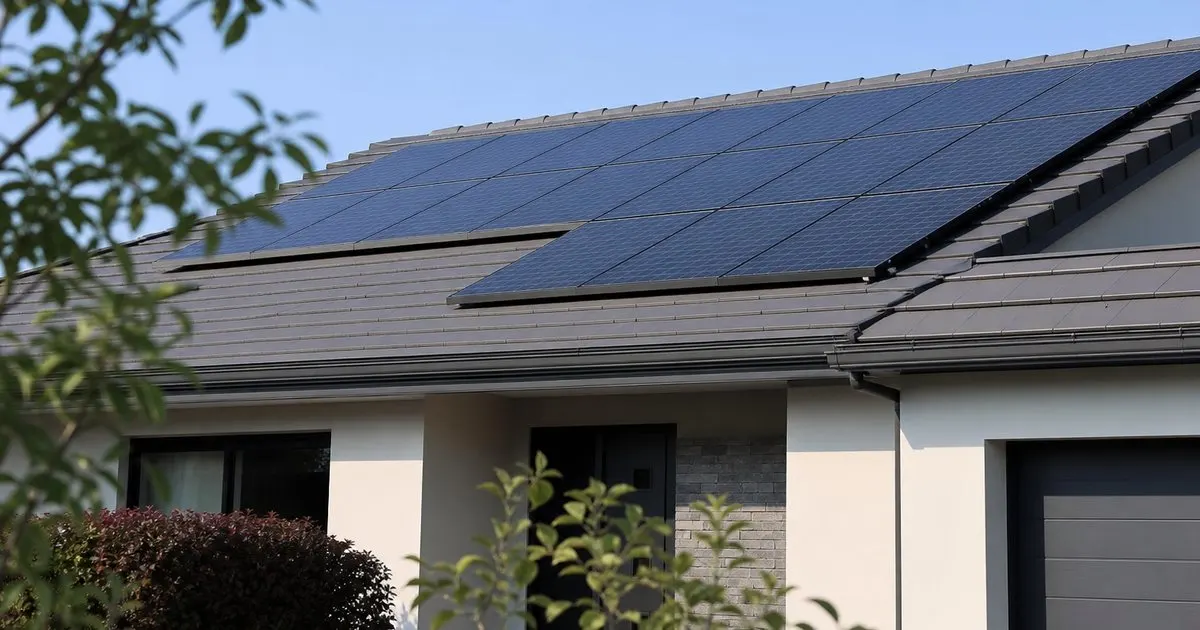
How Do You Compare Home Solar Quotes On Substance, Not Salesmanship?
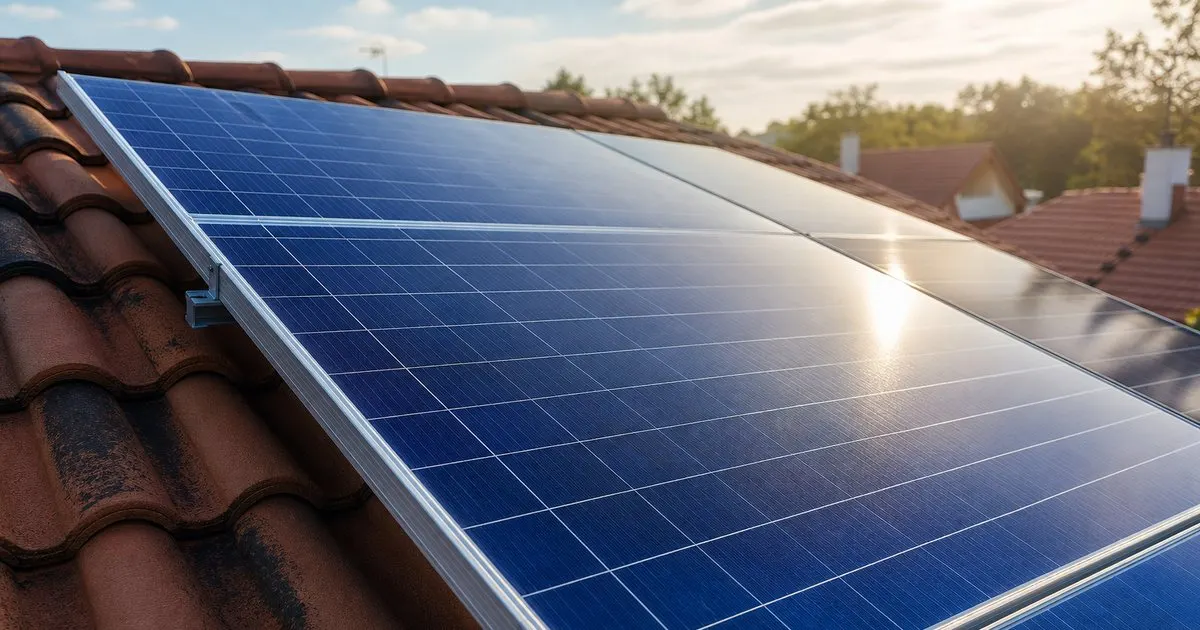
What Panel Qualities Actually Determine Your Solar System's Lifetime Output?
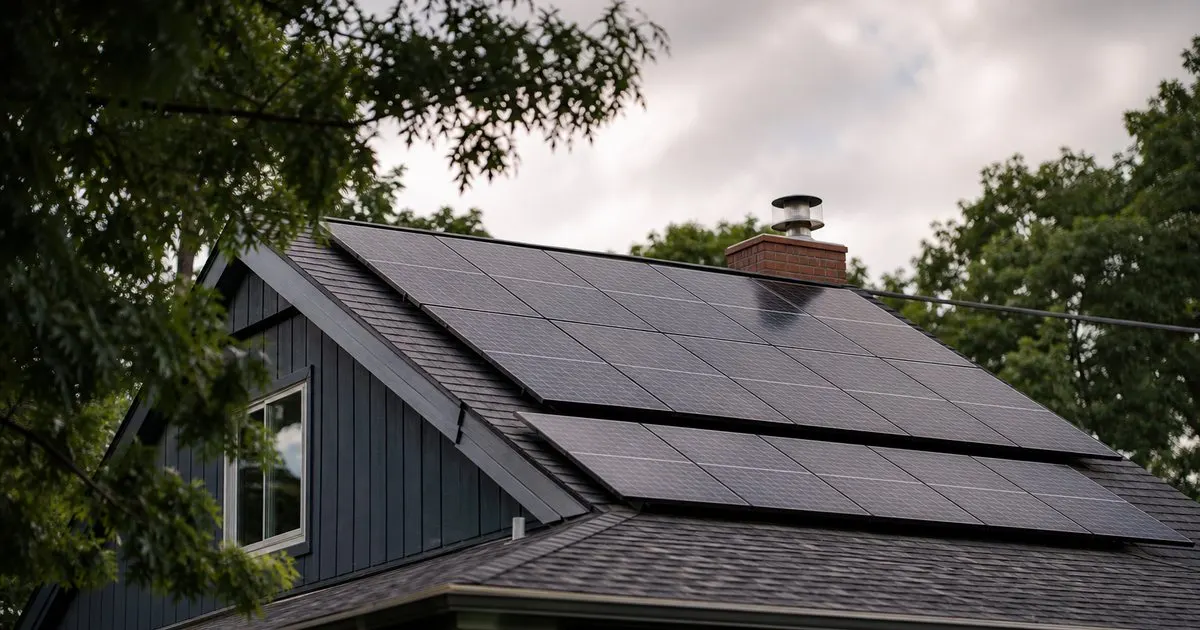
Which Inverter Design Best Suits A Complex Or Partly Shaded Roof?
Get the complete home solar and storage guide
Our full buying guide, the price guide, and new research as we publish it. One email, no spam, unsubscribe any time.