Which Inverter Design Best Suits A Complex Or Partly Shaded Roof?
How string, microinverter, and optimizer approaches handle shading and mismatch.
For complex or partly shaded roofs, microinverters or optimizers usually suit best, because they let each panel work independently so shade or mismatch on one does not drag down the rest. On simple, unshaded roofs a quality string inverter can be the better value. Match the inverter design to your specific roof conditions.
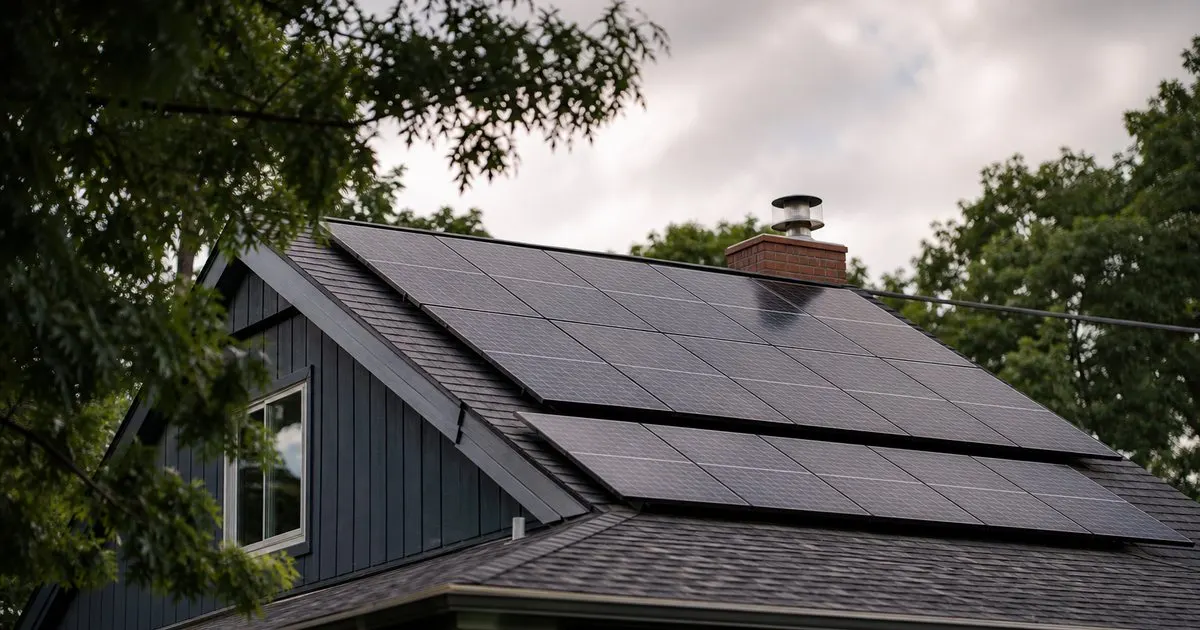
The inverter's central role
The inverter converts panel output into usable power and manages how the array performs. Its design strongly influences how the system copes with shading, mismatch, and varied roof angles. Related: What Panel Qualities Actually Determine Your Solar System's Lifetime Output?
Choosing the right inverter approach is not a detail. On complex roofs especially, it can be the difference between preserving output and losing it.
Keep reading: How Do You Compare Home Solar Quotes On Substance, Not Salesmanship?, What Panel Qualities Actually Determine Your Solar System's Lifetime Output?, Why Do Two Solar Quotes For One Roof Differ So Greatly?. See how Solarholm helps you the homeowner guide to premium solar and home batteries.
String inverters on simple roofs
A string inverter links panels in series and suits simple, unshaded roofs with a single orientation. Where conditions are uniform, it is a cost effective and reliable choice. Related: Are Premium Solar Panels Worth The Extra Cost Over Budget Options?
Its limitation appears with shading or mismatch, since a weak panel in the string can drag down the rest. On complex roofs, that shared fate becomes a real drawback. Related: Does Roof Orientation And Shading Really Change Your Solar Generation Much?
Microinverters and optimizers for complexity
Microinverters operate each panel independently, so shade or mismatch on one does not diminish the others. Optimizers achieve a similar benefit while working with a central inverter.
On partly shaded or multi angle roofs, these approaches preserve output that a basic string inverter would lose. They also enable panel level monitoring, which aids maintenance.
Matching the design to the roof
On complex or shaded roofs, microinverters or optimizers usually justify their added cost by protecting generation. On simple, unshaded roofs, a quality string inverter may be the better value.
The right choice follows your roof, not a blanket rule. An honest installer will recommend the inverter approach that suits your specific conditions rather than a default. Related: Why Do Two Solar Quotes For One Roof Differ So Greatly?
- The inverter shapes how the array handles shading
- String inverters suit simple, unshaded roofs
- Microinverters and optimizers preserve output when shaded
- Match the inverter design to your specific roof

Julien Jimenez
Julien Jimenez is an independent software builder based in Paris. He designs, ships, and operates focused SaaS products for small businesses and independent professionals. Read the full author page.
Frequently asked questions
Do I always need microinverters?
No. Microinverters and optimizers shine on shaded or multi angle roofs by isolating each panel. On a simple, unshaded roof with one orientation, a quality string inverter is often the more cost effective choice.
Can the wrong inverter reduce my solar output?
Yes. On a shaded or complex roof, a basic string inverter can let one weak panel diminish the whole string, losing output that microinverters or optimizers would preserve by managing panels individually.
Power That Works For Decades
The homeowner guide to premium solar and home batteries. Solarholm is built to help you put this into practice.
Get a solar planMore from the Solarholm blog
How Do You Compare Home Solar Quotes On Substance, Not Salesmanship?
What Panel Qualities Actually Determine Your Solar System's Lifetime Output?

Why Do Two Solar Quotes For One Roof Differ So Greatly?
Get the complete home solar and storage guide
Our full buying guide, the price guide, and new research as we publish it. One email, no spam, unsubscribe any time.