Does Roof Orientation And Shading Really Change Your Solar Generation Much?
How the placement of panels, more than their number, shapes real world output.
Yes, substantially. Orientation sets how much sunlight panels capture, tilt interacts with the sun's seasonal path, and even partial shade from a tree or chimney can sharply reduce output. Placement often matters more than panel count, which is why a credible installer models your specific roof rather than quoting a generic generation figure.
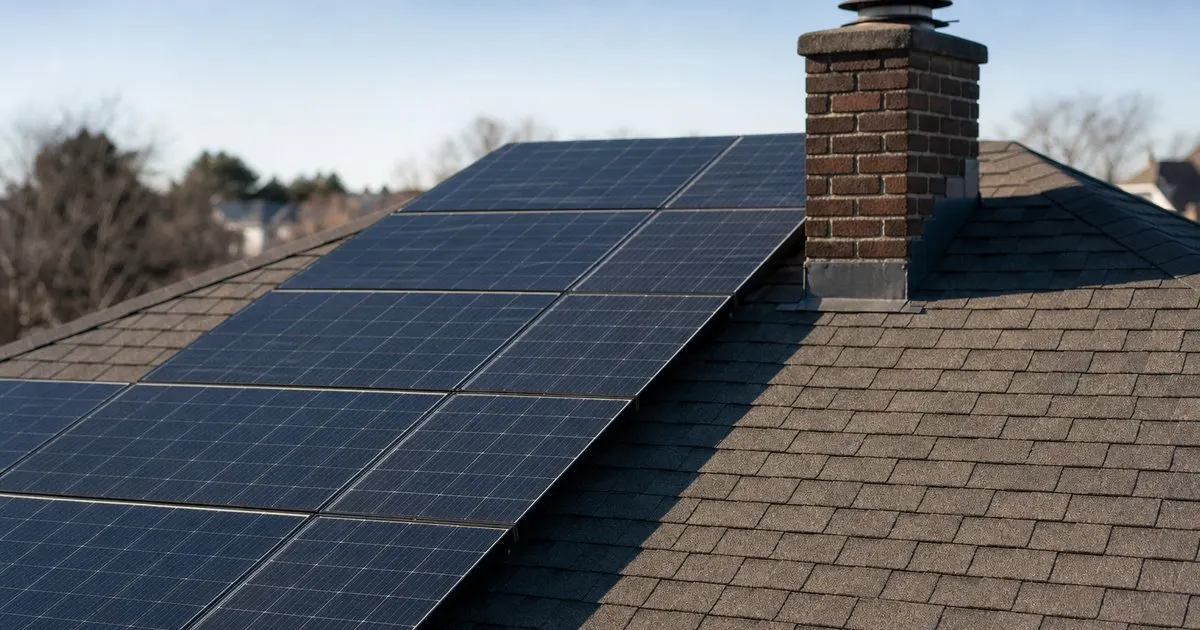
Orientation sets the baseline
The direction panels face strongly affects how much sunlight they capture across the day. A well oriented slope gathers far more energy than one facing away from the sun's path.
Orientation is a baseline that the rest of the design builds on. Getting it right, where the roof allows, is one of the most influential factors in total generation. Related: Which Inverter Design Best Suits A Complex Or Partly Shaded Roof?
Keep reading: How Do You Compare Home Solar Quotes On Substance, Not Salesmanship?, What Panel Qualities Actually Determine Your Solar System's Lifetime Output?, Which Inverter Design Best Suits A Complex Or Partly Shaded Roof?. See how Solarholm helps you the homeowner guide to premium solar and home batteries.
Tilt and the sun's path
The angle at which panels sit interacts with the sun's seasonal height. An appropriate tilt improves capture, while a poor one leaves energy on the table across the year.
Tilt and orientation together determine how fully panels meet the available sunlight. Modeling them for your specific roof yields a far more accurate output estimate than a generic assumption. Related: What Panel Qualities Actually Determine Your Solar System's Lifetime Output?
Shading can undercut everything
Even partial shade from a tree, chimney, or neighboring structure can disproportionately reduce output, particularly with certain inverter designs. Shading is one of the most damaging and overlooked factors.
Because a little shade can cost a lot of generation, assessing it honestly is essential. Where shading exists, inverter choice and panel placement become especially important. Related: Are Premium Solar Panels Worth The Extra Cost Over Budget Options?
Why honest modeling matters
A credible installer models your specific roof, accounting for orientation, tilt, and shading, rather than quoting a one size figure. This is what separates a realistic estimate from a hopeful one. Related: Why Do Two Solar Quotes For One Roof Differ So Greatly?
Because placement can change output substantially, the modeling behind a quote deserves scrutiny. Understanding these factors helps you judge whether a proposal's numbers are grounded in your reality.
- Orientation sets the generation baseline
- Tilt interacts with the sun's seasonal path
- Even partial shade can sharply cut output
- Honest modeling of your roof is essential

Julien Jimenez
Julien Jimenez is an independent software builder based in Paris. He designs, ships, and operates focused SaaS products for small businesses and independent professionals. Read the full author page.
Frequently asked questions
How much does shading really reduce output?
More than many expect. Even partial shade can disproportionately cut generation, especially with string inverters. This is why shading must be assessed honestly and why inverter choice matters on affected roofs.
Can panels still work on a less than ideal roof?
Often, yes, though output may be lower. A skilled installer models orientation, tilt, and shading to set realistic expectations and may adjust placement or inverter design to make the most of the roof you have.
Power That Works For Decades
The homeowner guide to premium solar and home batteries. Solarholm is built to help you put this into practice.
Get a solar planMore from the Solarholm blog
How Do You Compare Home Solar Quotes On Substance, Not Salesmanship?
What Panel Qualities Actually Determine Your Solar System's Lifetime Output?
Which Inverter Design Best Suits A Complex Or Partly Shaded Roof?
Get the complete home solar and storage guide
Our full buying guide, the price guide, and new research as we publish it. One email, no spam, unsubscribe any time.