Can Home Solar Realistically Pay For Itself Within Your Ownership Period?
An honest look at payback and the variables that decide your real return.
Home solar can pay for itself when your electricity rates, usage, roof output, and any incentives align, and above all when you stay in the home well beyond the payback point. Payback takes years and is not guaranteed, varying by household. Judged on your own figures and ownership horizon, it can be a sound long term investment.
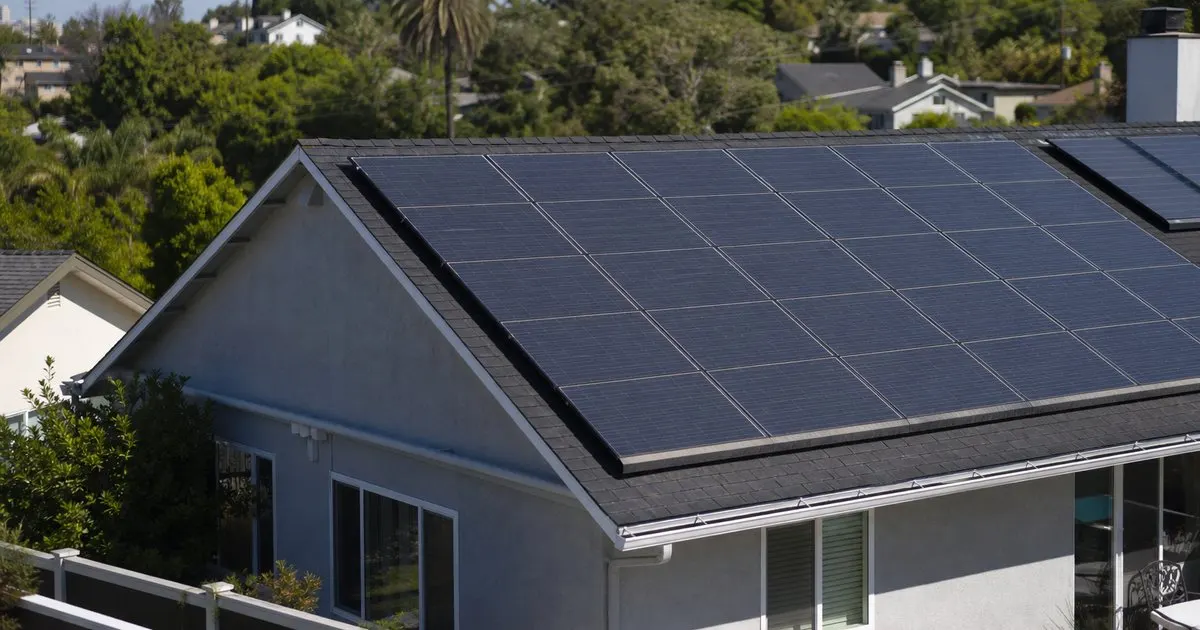
What payback really means
Payback is the time it takes for energy savings to equal the system's cost. After that point, the generation is effectively free, but reaching it depends on several variables working in your favor.
A solar array is a long term investment, and payback should be judged over years, not months. Understanding the variables is what makes a realistic estimate possible. Related: Are Premium Solar Panels Worth The Extra Cost Over Budget Options?
Keep reading: How Do You Compare Home Solar Quotes On Substance, Not Salesmanship?, What Panel Qualities Actually Determine Your Solar System's Lifetime Output?, Which Inverter Design Best Suits A Complex Or Partly Shaded Roof?. See how Solarholm helps you the homeowner guide to premium solar and home batteries.
The variables that decide return
Your electricity rates, your usage pattern, your roof's output, the system cost, and any local incentives all shape payback. Higher rates and strong generation shorten it, while low usage lengthens it. Related: What Panel Qualities Actually Determine Your Solar System's Lifetime Output?
Because these differ so much between homes, there is no universal payback figure. A credible estimate rests on your specific numbers, not a generic promise.
How long you stay matters most
The return hinges on how long you remain in the home. Stay well beyond the payback point and the array delivers years of nearly free power, which is where the real value lies. Related: How Do You Compare Home Solar Quotes On Substance, Not Salesmanship?
If you may move sooner, the calculation shifts, though solar can still add to the home's appeal at sale. Your ownership horizon is central to whether the investment pays. Related: When Does Adding A Home Battery Genuinely Make Financial Sense?
Setting honest expectations
Solar generation varies with sunlight, so output changes by season and weather. Payback takes years, and the return is not guaranteed but grounded in your usage, rates, and tenure.
This guide is independent and educational, not financial advice. Approached with realistic expectations and your own figures, solar can be a sound investment for many long term owners.
- Payback is when savings equal system cost
- Rates, usage, output, and incentives decide return
- Length of ownership matters most
- Expect years, not months, and no guarantee

Julien Jimenez
Julien Jimenez is an independent software builder based in Paris. He designs, ships, and operates focused SaaS products for small businesses and independent professionals. Read the full author page.
Frequently asked questions
How many years does solar take to pay back?
It varies widely by home, since rates, usage, roof output, cost, and incentives all differ. Payback is measured in years, so a credible estimate must be based on your specific numbers rather than a generic figure.
Does solar still make sense if I might move?
It depends. A shorter stay may not reach full payback, though a quality solar array can add to the home's appeal at sale. Your ownership horizon is central to whether the investment pays off.
Power That Works For Decades
The homeowner guide to premium solar and home batteries. Solarholm is built to help you put this into practice.
Get a solar planMore from the Solarholm blog
How Do You Compare Home Solar Quotes On Substance, Not Salesmanship?

What Panel Qualities Actually Determine Your Solar System's Lifetime Output?
Which Inverter Design Best Suits A Complex Or Partly Shaded Roof?
Get the complete home solar and storage guide
Our full buying guide, the price guide, and new research as we publish it. One email, no spam, unsubscribe any time.