When Does Adding A Home Battery Genuinely Make Financial Sense?
Separating the real reasons to add storage from the reasons that only sound good.
A battery makes financial sense mainly where rates vary by time of day, export credits are low, or you use much energy after sunset, so storing daytime generation for evening use pays. For many owners, though, the real motive is backup resilience rather than payback. Weigh the added cost and shorter battery life against your specific goals.
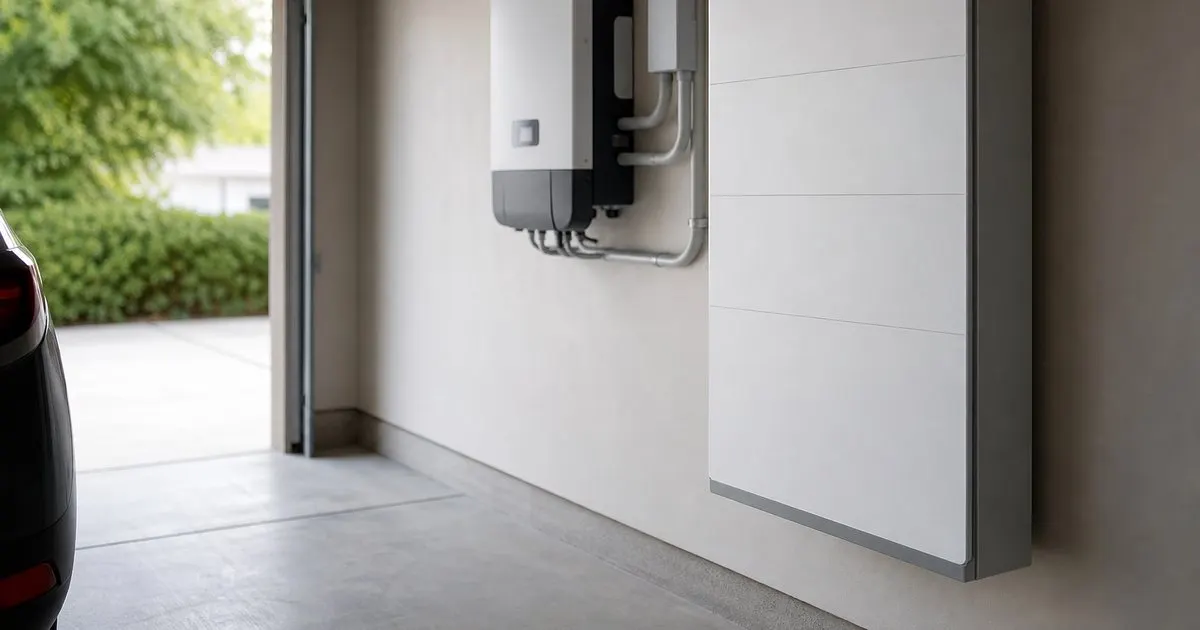
What a battery actually does
A home battery stores solar power you generate but do not immediately use, letting you draw on it later. It can also provide backup when the grid goes down, depending on the setup. Related: How Do You Compare Home Solar Quotes On Substance, Not Salesmanship?
Storage raises the share of your own generation you keep. Whether that translates into financial sense depends on your rates, your usage, and local rules.
Keep reading: How Do You Compare Home Solar Quotes On Substance, Not Salesmanship?, What Panel Qualities Actually Determine Your Solar System's Lifetime Output?, Which Inverter Design Best Suits A Complex Or Partly Shaded Roof?. See how Solarholm helps you the homeowner guide to premium solar and home batteries.
When the economics favor storage
Batteries make more financial sense where electricity rates vary by time of day, where credits for exported power are low, or where you use much of your energy after sunset.
In these cases, storing daytime generation for evening use can meaningfully improve returns. The value comes from shifting your own power to when it is worth most to you. Related: Are Premium Solar Panels Worth The Extra Cost Over Budget Options?
When backup is the real motive
For many, the honest reason to add a battery is resilience, not pure economics. If reliable backup during outages matters to you, storage delivers value that a spreadsheet alone will not capture. Related: How Much Of Your Home Can A Single Battery Actually Keep Running During An Outage?
It is fair to buy storage for peace of mind, provided you recognize that as the goal. Backup is a genuine benefit, distinct from a strict financial payback.
Weighing cost against benefit honestly
Batteries add real cost, and their service life is typically shorter than the panels', so one may be replaced during the array's lifetime. This belongs in any honest calculation. Related: When Should You Replace Your Roof Before Installing A Home Solar Array?
Decide what you want from storage, savings, resilience, or both, then judge whether the numbers and the peace of mind justify the outlay for your specific situation.
- A battery stores your own power for later use
- Economics favor storage under certain rate structures
- Backup resilience is a valid, separate motive
- Weigh cost and shorter battery life honestly

Julien Jimenez
Julien Jimenez is an independent software builder based in Paris. He designs, ships, and operates focused SaaS products for small businesses and independent professionals. Read the full author page.
Frequently asked questions
Do I need a battery to benefit from solar?
No. Solar panels reduce your energy costs without storage. A battery adds backup power and lets you keep more of your own generation, but whether it pays depends on your rates, usage, and local rules.
How long does a home battery last compared to panels?
Batteries typically have a shorter service life than panels, so one may need replacing during the panels' decades long lifetime. This replacement cost should factor into any honest assessment of storage economics.
Power That Works For Decades
The homeowner guide to premium solar and home batteries. Solarholm is built to help you put this into practice.
Get a solar planMore from the Solarholm blog
How Do You Compare Home Solar Quotes On Substance, Not Salesmanship?
What Panel Qualities Actually Determine Your Solar System's Lifetime Output?
Which Inverter Design Best Suits A Complex Or Partly Shaded Roof?
Get the complete home solar and storage guide
Our full buying guide, the price guide, and new research as we publish it. One email, no spam, unsubscribe any time.