Why Does Installer Workmanship Matter More Than The Panel Brand On Your Roof?
Buyers agonize over panel brands and then hand the roof to whichever crew was cheapest. The order of importance is backward. Here is where solar systems actually fail, and how to see quality before it is covered by glass.
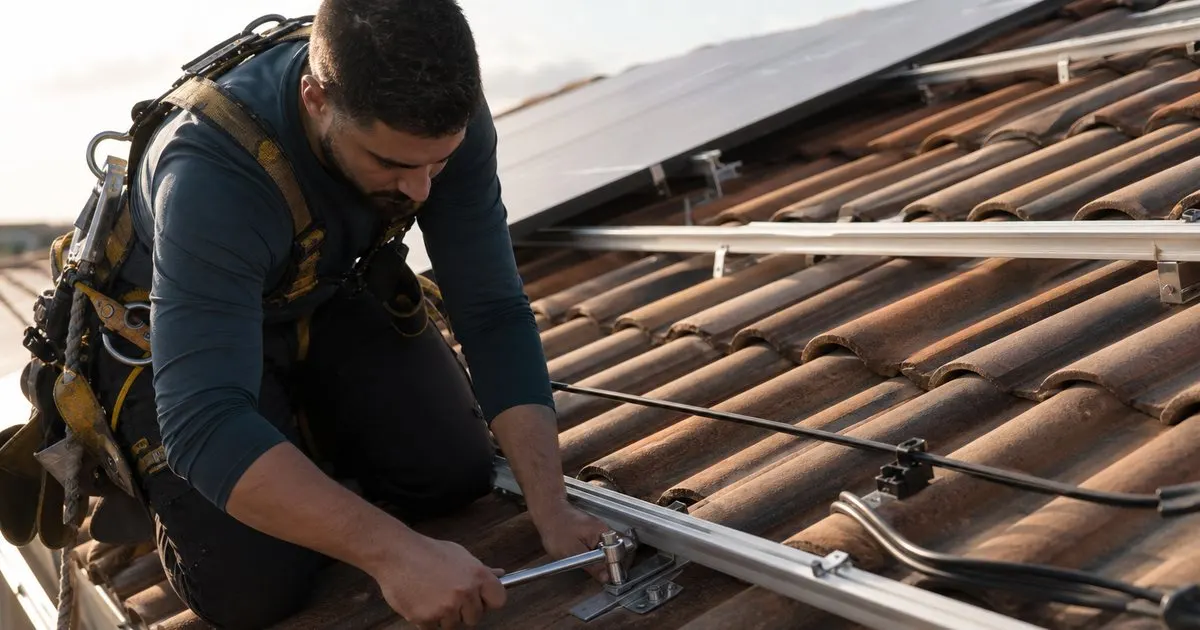
Where solar systems actually fail
Modern panels from any established manufacturer are remarkably durable. They are sealed glass laminates with no moving parts, tested for hail impact, wind load, and decades of thermal cycling, and outright cell failure is uncommon within a system's life. The parts that give trouble in the field tend to be everything around them: the plug connectors between modules, the roof penetrations, the conduit runs, the grounding, and the inverter. Almost all of those are shaped by the installer's hands, not by the panel factory. Related: Why Do Two Solar Quotes For One Roof Differ So Greatly?
Consider what a poorly seated connector does. It creates resistance, which creates heat, which slowly degrades the plastic housing until the connection either opens or, in the worst case, arcs. A penetration sealed with caulk rather than a proper flashed mount will hold for a few years and then admit water into the decking. A conduit run that traps moisture, a ground wire with a loose lug, a cable left to chafe on a rail edge: none of these show up on the brochure, and all of them are more likely to cause a service call than the panel itself. Choosing the installer is choosing the failure rate.
Keep reading: How Do You Compare Home Solar Quotes On Substance, Not Salesmanship?, What Panel Qualities Actually Determine Your Solar System's Lifetime Output?, Which Inverter Design Best Suits A Complex Or Partly Shaded Roof?. See how Solarholm helps you the homeowner guide to premium solar and home batteries.
The visible signs of careful work
You can assess workmanship by looking at other installations before yours, and by inspecting your own before the panels are set. Rails should be straight, evenly spaced, and aligned with the roof geometry, because misalignment usually means someone rushed the layout. Every penetration should have a metal flashing tucked under the shingle course above it, not a bead of sealant on top of the roof. Wiring under the array should be clipped to the rails in tidy runs, with the connectors up off the roof surface and with drip loops so water sheds away from the plugs.
Above the roof, look for labeled disconnects, conduit that is properly supported and sealed at every entry, and a rapid shutdown arrangement that is easy to find. Inside the attic, check that any interior conduit or junction box is accessible and that the fasteners have hit rafters rather than only the decking. Ask whether the crew uses a torque wrench and marks the fasteners; conscientious installers do both. Small habits like these are proxies for the invisible ones, such as tightening ground lugs to specification and seating connectors fully.
Design choices that outlast the brand name
Workmanship extends to the design work done before anyone climbs a ladder. A thoughtful designer keeps an air gap beneath the panels so they run cooler and produce more, sets the array back from ridges and edges to satisfy fire access requirements, and lays out strings so that a small shadow does not drag down a whole row. In snow country the designer considers where sliding snow will land and whether snow guards are warranted. On a complex roof they decide whether module-level electronics earn their cost or whether a well-planned string design will do. Related: Which Inverter Design Best Suits A Complex Or Partly Shaded Roof?
The same designer accounts for the electrical path from roof to panel. That means choosing conductor sizes with margin, planning conduit routes that avoid attic heat where possible, and confirming that the main service panel can accept the backfeed without a costly upgrade. None of this depends on which manufacturer's logo is on the module. Two identical sets of panels installed by two different companies can differ noticeably in lifetime output and in how many times a technician has to visit, and the difference is entirely in the design and the hands. Related: What Panel Qualities Actually Determine Your Solar System's Lifetime Output?
How to buy for workmanship
Ask to see completed installations, ideally in person, and ask for photos of the attic side and the underside of an array before the panels went on. Ask who will physically be on your roof: an in-house crew, a regular subcontractor, or whoever is available that week. Ask whether a licensed electrician performs the electrical tie-in, and whether the company holds an industry installation certification. Ask how many roof leaks the company has been called back for and how it handled them, because an honest answer is more reassuring than a claim of zero.
Then set the terms in the contract. Require flashed mounts rather than sealant-only attachments, require that penetrations be photographed before they are covered, and require that the workmanship warranty specifically names roof leaks. If the installer resists any of these, that is information. A premium panel is a fine thing to want, and on a premium home it is often the right choice, but the panel brand is the least likely part of the system to disappoint you. Spend your scrutiny where the risk lives. Related: How Do You Compare Home Solar Quotes On Substance, Not Salesmanship?
- Panel cells rarely fail within a system's life, while connectors, penetrations, conduit, and grounding are shaped by the installer and cause most service calls.
- Straight rails, flashed penetrations, clipped wiring with drip loops, and marked torque are visible proxies for careful work.
- Design decisions such as air gaps, setbacks, string layout, and conductor sizing matter more to lifetime output than the module brand.
- Buy workmanship by inspecting past installs, asking who is actually on the roof, and writing flashing and leak coverage into the contract.

Julien Jimenez
Julien Jimenez is an independent software builder based in Paris. He designs, ships, and operates focused SaaS products for small businesses and independent professionals. Read the full author page.
Power That Works For Decades
The homeowner guide to premium solar and home batteries. Solarholm is built to help you put this into practice.
Get a solar planMore from the Solarholm blog
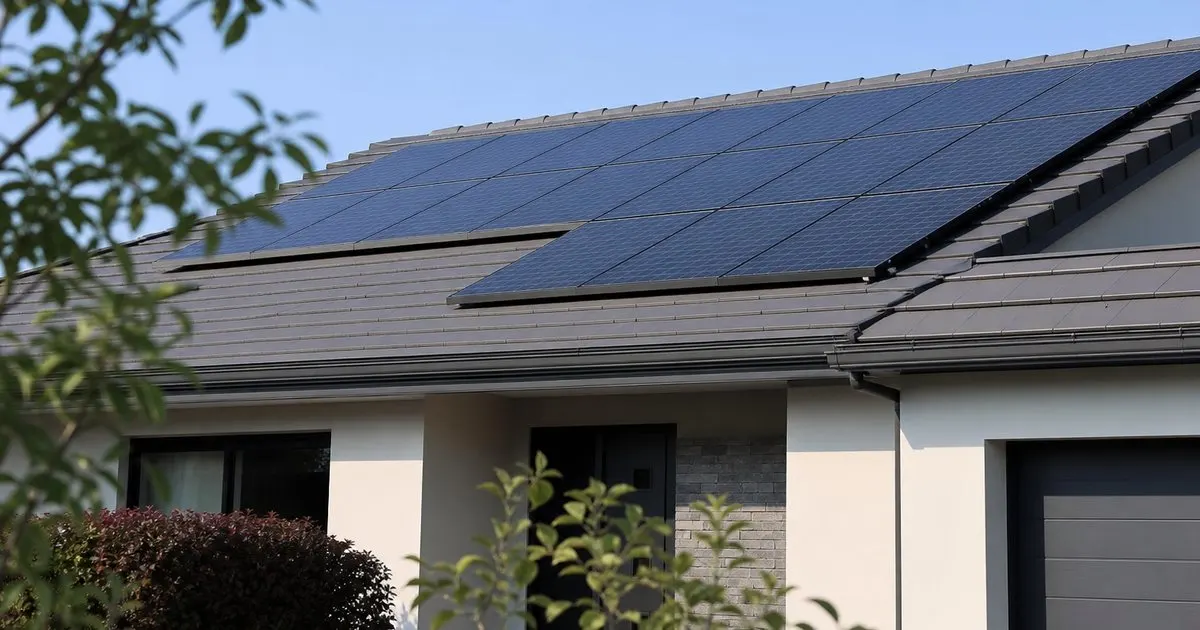
How Do You Compare Home Solar Quotes On Substance, Not Salesmanship?
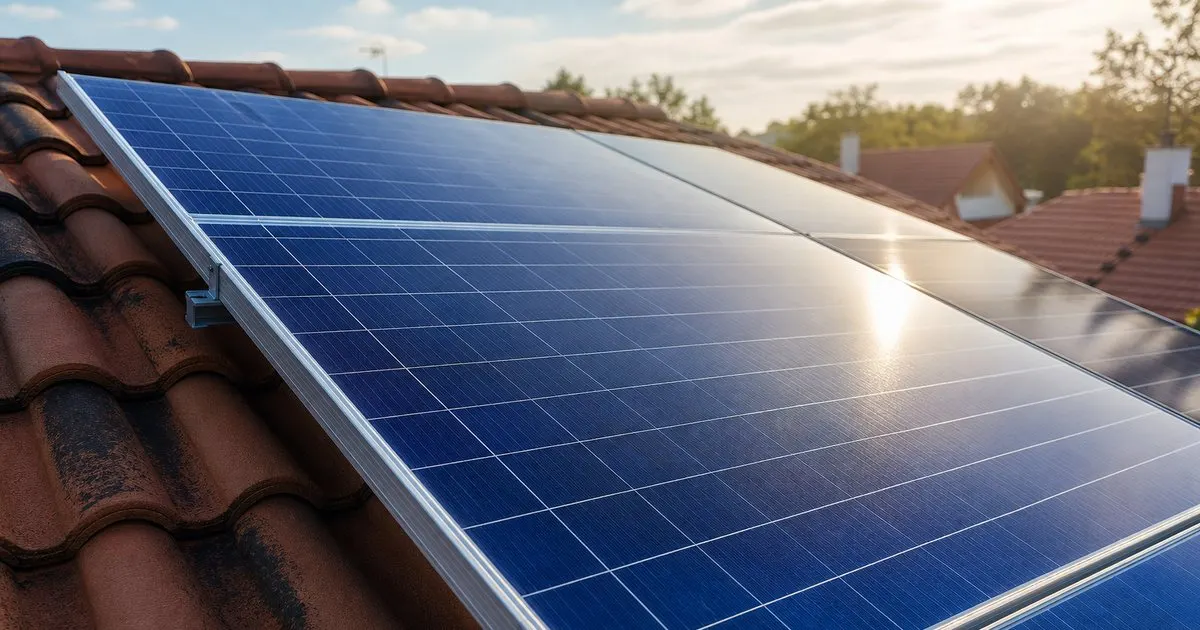
What Panel Qualities Actually Determine Your Solar System's Lifetime Output?
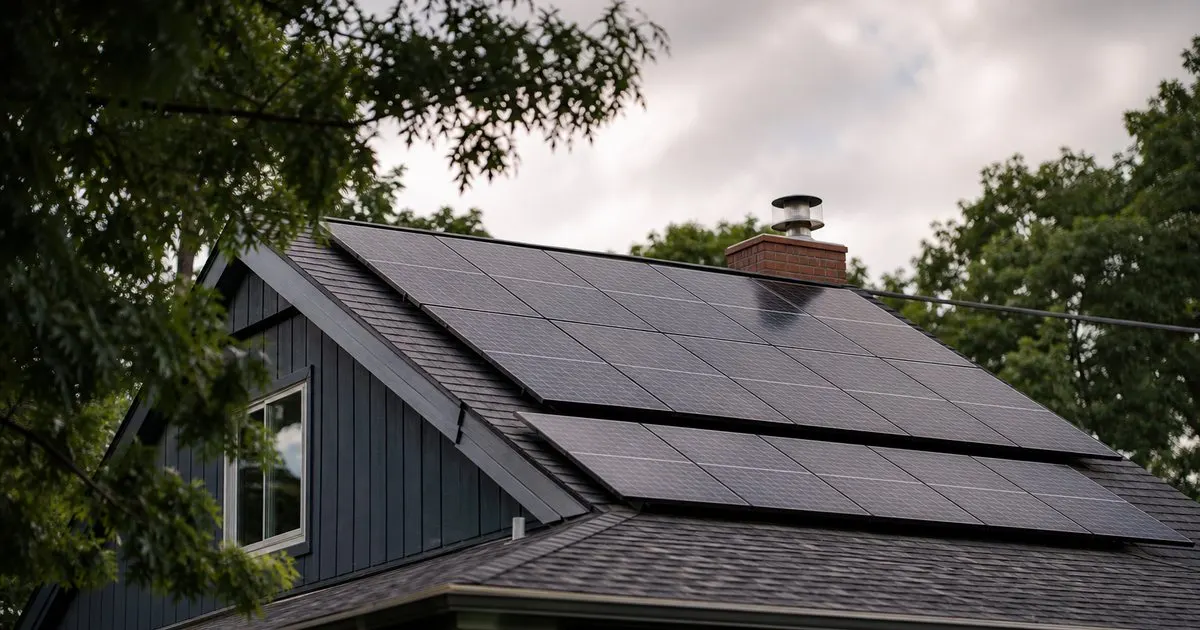
Which Inverter Design Best Suits A Complex Or Partly Shaded Roof?
Get the complete home solar and storage guide
Our full buying guide, the price guide, and new research as we publish it. One email, no spam, unsubscribe any time.