What Is The Best Way To Vet A Solar Installer Before You Sign Anything?
A solar contract commits you to a company for decades, not just an afternoon on the roof. Here is a disciplined way to verify licenses, references, financial stability, and contract terms before any deposit changes hands.

Licenses, insurance, and who actually does the work
Begin with the public record. Most states license contractors for solar and electrical work, and in the rest the county or city does, so start by finding out which authority issues the license where you live. Most of them publish a searchable database that shows whether a license is active, what classification it carries, and whether disciplinary actions or unresolved complaints are on file. Confirm that the company holds the classification your state or local jurisdiction requires for solar and electrical work, and confirm the license belongs to the company you are contracting with rather than to a related entity. Then request certificates of general liability and workers' compensation insurance sent directly from the insurer, not a photocopy, so you know they are current.
Next, establish who will be on your property. Many solar companies sell under one name and install through subcontractors, which is not inherently a problem but changes who you should be vetting. Ask whether the installation crew and the electrician are employees, whether the same crew has worked together for a while, and whether the electrical tie-in is done by a licensed electrician on the payroll. If subcontractors are involved, ask for their license numbers too. A company that is transparent about its labor arrangement is usually transparent about everything else.
Keep reading: How Do You Compare Home Solar Quotes On Substance, Not Salesmanship?, What Panel Qualities Actually Determine Your Solar System's Lifetime Output?, Which Inverter Design Best Suits A Complex Or Partly Shaded Roof?. See how Solarholm helps you the homeowner guide to premium solar and home batteries.
Reading references and reviews with a skeptic's eye
References are useful only if you choose them. Ask for a recent customer and, more importantly, one whose system is several years old, because early enthusiasm fades and real service experience accumulates. Call them and ask specific questions: did production match the estimate, has the roof stayed dry, how quickly did the company respond when something needed attention, and would they hire the same crew again. If the company can only produce fresh references, it either has a short history or a problem it would rather not surface. Related: Why Do Two Solar Quotes For One Roof Differ So Greatly?
Online reviews reward pattern reading rather than star counting. A cluster of complaints about missed appointments or unanswered calls after installation tells you about the service culture. Complaints about production shortfalls tell you about the honesty of the sales estimate. Look up the company with your state attorney general and consumer protection office, and with the licensing board, to see whether formal complaints exist and how they were resolved. Then weigh the whole picture: a busy installer with a handful of resolved complaints is often safer than a small one with none and no track record.
Financial stability and staying power
A solar warranty is a promise from a company, and a promise from a company that no longer exists is worth nothing. The industry has seen installers of every size close or restructure, sometimes leaving thousands of customers with orphaned systems. Years in business is a fair proxy, and so is the number of systems installed in your region, but ask further questions. Does the company service what it sells with its own technicians, or does it refer service calls out? Does it carry manufacturer certifications that provide labor coverage if the installer disappears? Does it offer any third-party backed workmanship guarantee? Related: Are Premium Solar Panels Worth The Extra Cost Over Budget Options?
Ask, too, how the company is paid. A firm that pushes hard for a large deposit or full payment before permits are pulled may be using your money to fund earlier jobs. A healthier structure ties payments to milestones: a modest deposit, a payment at installation, and the balance after inspection and permission to operate. Some states cap the deposit a contractor may collect, and it is worth knowing your state's rule. Ask directly whether the company is privately held, how long the current ownership has been in place, and whether it has changed names. Reluctance to answer is itself an answer.
The contract itself
The contract should read like an engineering document, not a marketing one. Look for an itemized equipment list naming the panel model, inverter model, racking, and battery with quantities, and a system size in kilowatts that matches. Look for a production estimate in kilowatt-hours per year, the assumptions behind it, and whether any production guarantee is offered and how it is reconciled. Look for the responsibility for permits, interconnection, HOA approval, and any electrical panel upgrade, and for a schedule with a realistic timeline. Change order terms should require your written approval for any cost increase. Related: What Panel Qualities Actually Determine Your Solar System's Lifetime Output?
Watch for the softer traps. A clause allowing substitution of equivalent equipment gives the installer freedom to swap the premium panels you selected for something else if supply gets tight. A cancellation window shorter than the state minimum, or a broad arbitration clause, deserves a second look. Solarholm may earn a commission when readers request quotes through certain links, which is exactly why the advice here favors reading every page over trusting any recommendation, including ours. Get two or three proposals, put them side by side, and sign the one that would still make sense if the salesperson were never heard from again. Related: How Do You Compare Home Solar Quotes On Substance, Not Salesmanship?
- Verify the contractor license, its classification, and any complaints through the state, county, or city database that issues licenses where you live, and get insurance certificates sent directly from the insurer.
- Ask for references whose systems are several years old and ask them specific questions about production, leaks, and service response.
- Favor installers that service their own work, tie payments to milestones, and carry manufacturer or third-party backing for their labor warranty.
- Treat the contract as an engineering document: itemized equipment, a documented production estimate, clear permit responsibility, and no equipment substitution clause.

Julien Jimenez
Julien Jimenez is an independent software builder based in Paris. He designs, ships, and operates focused SaaS products for small businesses and independent professionals. Read the full author page.
Power That Works For Decades
The homeowner guide to premium solar and home batteries. Solarholm is built to help you put this into practice.
Get a solar planMore from the Solarholm blog
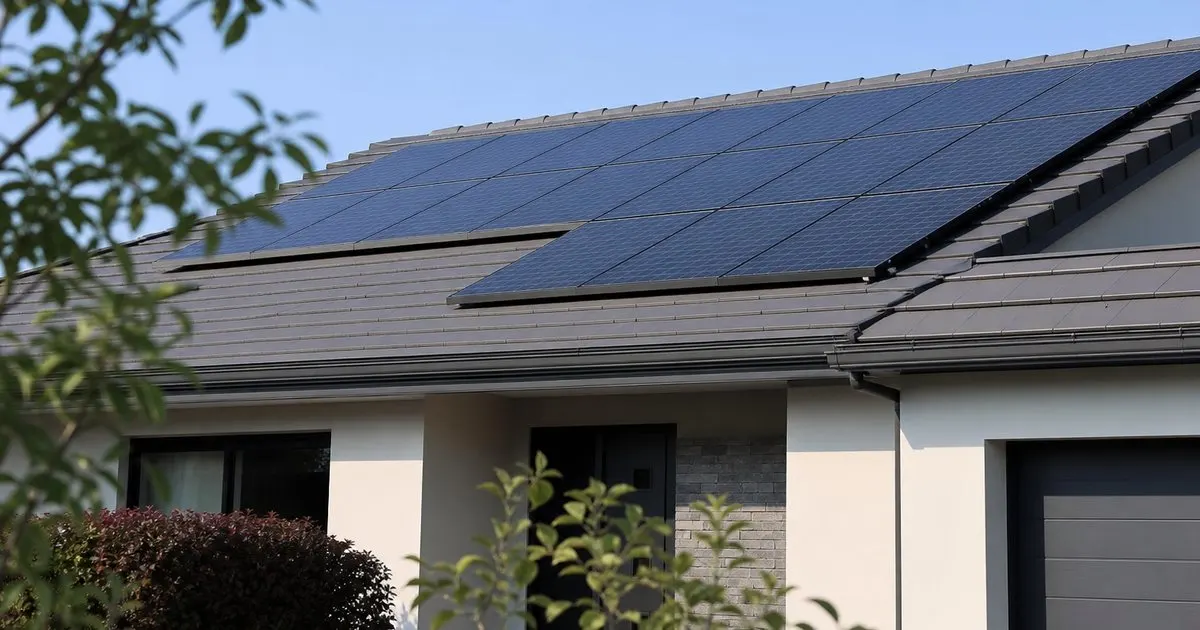
How Do You Compare Home Solar Quotes On Substance, Not Salesmanship?
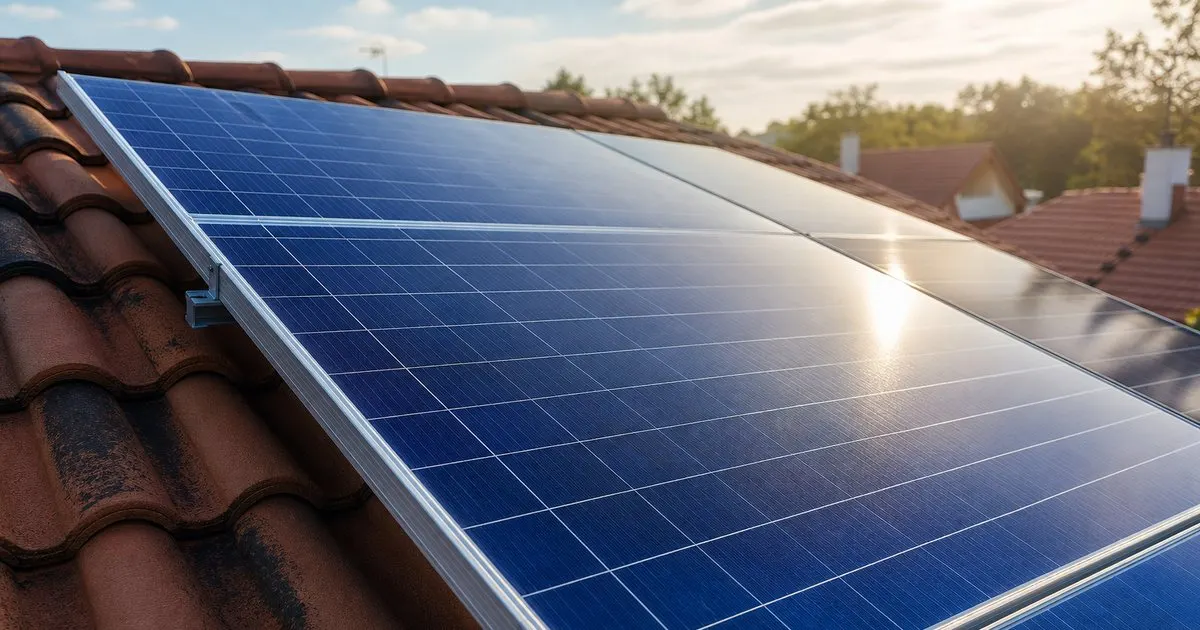
What Panel Qualities Actually Determine Your Solar System's Lifetime Output?
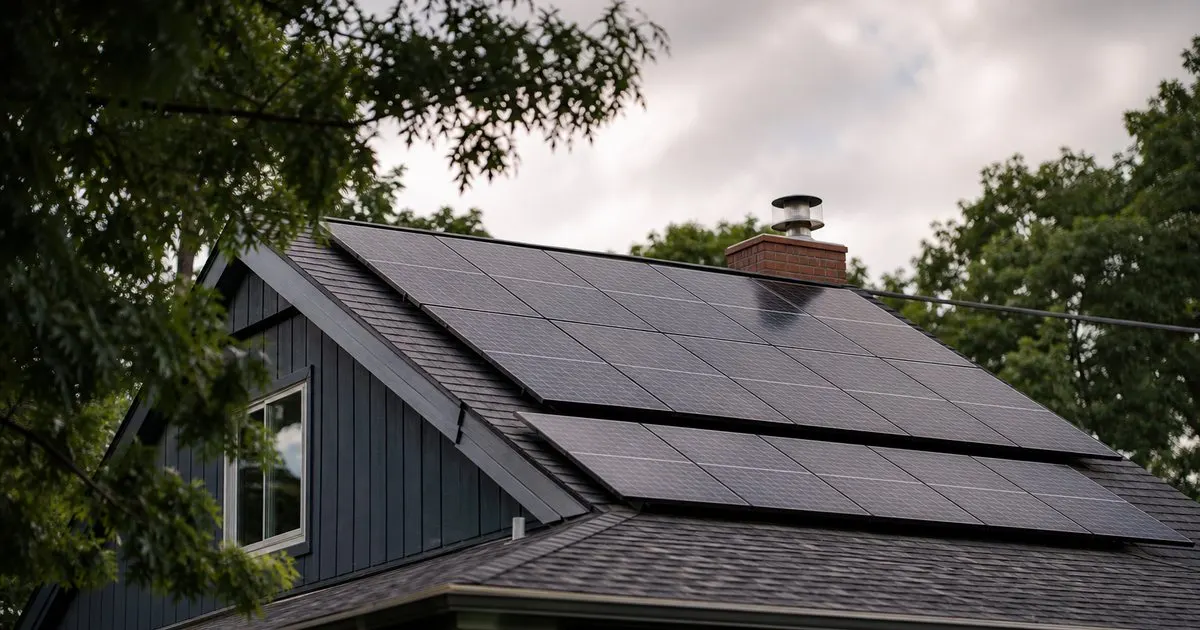
Which Inverter Design Best Suits A Complex Or Partly Shaded Roof?
Get the complete home solar and storage guide
Our full buying guide, the price guide, and new research as we publish it. One email, no spam, unsubscribe any time.