What Happens To Your Solar Array And Home Battery When You Decide To Sell The House?
Owned, financed, and leased systems behave very differently at closing. Here is how each one affects buyer financing, appraisal credit, warranty transfer, and the paperwork that keeps a sale on schedule.

Ownership Structure Decides Almost Everything at Closing
A system you own outright is the simple case. It conveys with the house, adds no third party to the closing table, and gives the appraiser something straightforward to value. A system carried on a solar loan is a different animal. Many of those loans are secured by a filing against the equipment, and some lenders record that filing in a way the title company will flag. The balance then has to be quoted, satisfied from proceeds, and formally released before the buyer's lender will fund. None of that is difficult, but it consumes weeks if you begin the process during the inspection period rather than before you list. Related: How Do You Compare Home Solar Quotes On Substance, Not Salesmanship?
Leases and power purchase agreements bring a fourth party into your transaction. The provider must approve the buyer, usually through a credit screen, and the buyer must sign an assumption package. Buyers who assumed they were inheriting free electricity sometimes hesitate once they read the annual escalator, and a mortgage underwriter may count the monthly payment against the buyer's debt ratios. The alternatives are prepaying the remaining term or buying the contract out, and the buyout figure is set by a schedule inside the agreement rather than by negotiation. Read that schedule now, not after you have accepted an offer.
Keep reading: How Do You Compare Home Solar Quotes On Substance, Not Salesmanship?, What Panel Qualities Actually Determine Your Solar System's Lifetime Output?, Which Inverter Design Best Suits A Complex Or Partly Shaded Roof?. See how Solarholm helps you the homeowner guide to premium solar and home batteries.
How Appraisers and Buyers Actually Value an Array
Appraisal credit for solar is real but conditional. It generally requires an owned system, a documented production history, and an appraiser willing to use an income-based method or to find genuinely comparable sales nearby. In markets where rooftop solar is common, those comparables exist and the process is routine. In markets where it remains rare, the appraiser may have nothing to lean on and may assign little or no value, which is frustrating without being evidence that the system is worthless. You can improve the odds by having the documentation packet assembled and offered before the appraiser arrives. Related: What Panel Qualities Actually Determine Your Solar System's Lifetime Output?
Buyer psychology matters at least as much as the appraisal. Most buyers are not evaluating kilowatt-hours. They are asking whether the roof will leak, how old the equipment is, and whether they are inheriting somebody else's problem. A clean array with a legible warranty position and two or three years of monitoring history reads as an asset. A dusty array with an unknown installer, no as-built drawing, and a battery nobody has looked at in years reads as deferred maintenance. The distance between those two impressions is worth more at the negotiating table than any single specification on the panel datasheet. Related: Why Do Two Solar Quotes For One Roof Differ So Greatly?
Transferring Warranties, Monitoring, and Utility Permissions
Manufacturer warranties on panels, inverters, and batteries usually transfer with the home, but several require the transfer to be registered within a set window and a few charge an administrative fee. The installer's workmanship warranty is the weaker link. Some transfer once, some transfer only if the new owner registers, and some quietly do not survive a sale at all. Pull the actual warranty documents rather than relying on what a sales presentation said years ago, and confirm the installing company still trades under the same legal entity, because a coverage promise from a dissolved business is not coverage.
The utility side needs its own handoff. The interconnection agreement is normally tied to the account holder, so the buyer has to establish service and, in many territories, sign a fresh agreement. That is usually administrative. In places where net metering or export credit rules have changed since your system went live, however, a new agreement can place the buyer on current terms rather than the terms you have enjoyed. Ask your utility what happens on a change of ownership before you market the house, and disclose the answer plainly. Monitoring accounts also need transferring, ideally with credentials handed over at closing rather than forgotten.
The Document Packet That Keeps a Sale on Schedule
Assemble one folder before listing: the building permit and final inspection sign-off, the electrical permit, the signed interconnection agreement and permission to operate letter, the as-built electrical drawing, panel and inverter specification sheets, battery commissioning records, every warranty certificate, the original installation contract, and any roof work performed before or after the array went up. Add a monthly production export from the monitoring platform for as long as you have data. If there is a loan, add a current payoff quote. If there is a lease, add the agreement, the escalator schedule, and the provider's written transfer instructions. Related: Which Inverter Design Best Suits A Complex Or Partly Shaded Roof?
Give that folder to your agent on day one and to the buyer's agent with the disclosure package. It prevents the most common failure mode, which is a routine question surfacing during the option period and burning a week while everyone hunts for a document nobody kept. It also lets the listing describe the system in specifics instead of adjectives. Finally, book a service visit before photography: wash the array, confirm every string is producing, and clear any nuisance fault on the inverter. A system showing a clean production curve on the morning of a showing does much of the selling for you.
- Establish your ownership structure first, because owned systems convey simply, financed systems need a payoff and a lien release, and leased systems need provider approval of your buyer.
- Appraisal credit depends on an owned system, documented production, and local comparable sales, so gather the evidence before the appraiser walks the property.
- Read the actual warranty documents for transfer rules, registration windows, fees, and whether the installer workmanship coverage survives a change of owner.
- One folder holding permits, interconnection paperwork, warranties, and production history removes the delays that quietly kill momentum during the option period.

Julien Jimenez
Julien Jimenez is an independent software builder based in Paris. He designs, ships, and operates focused SaaS products for small businesses and independent professionals. Read the full author page.
Power That Works For Decades
The homeowner guide to premium solar and home batteries. Solarholm is built to help you put this into practice.
Get a solar planMore from the Solarholm blog
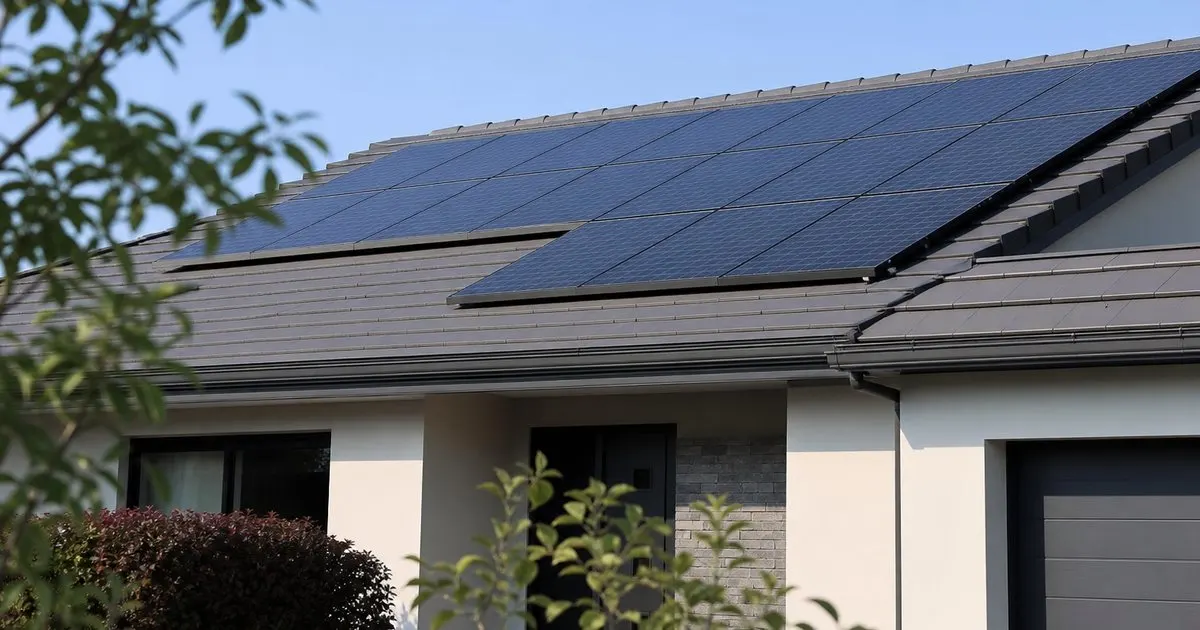
How Do You Compare Home Solar Quotes On Substance, Not Salesmanship?
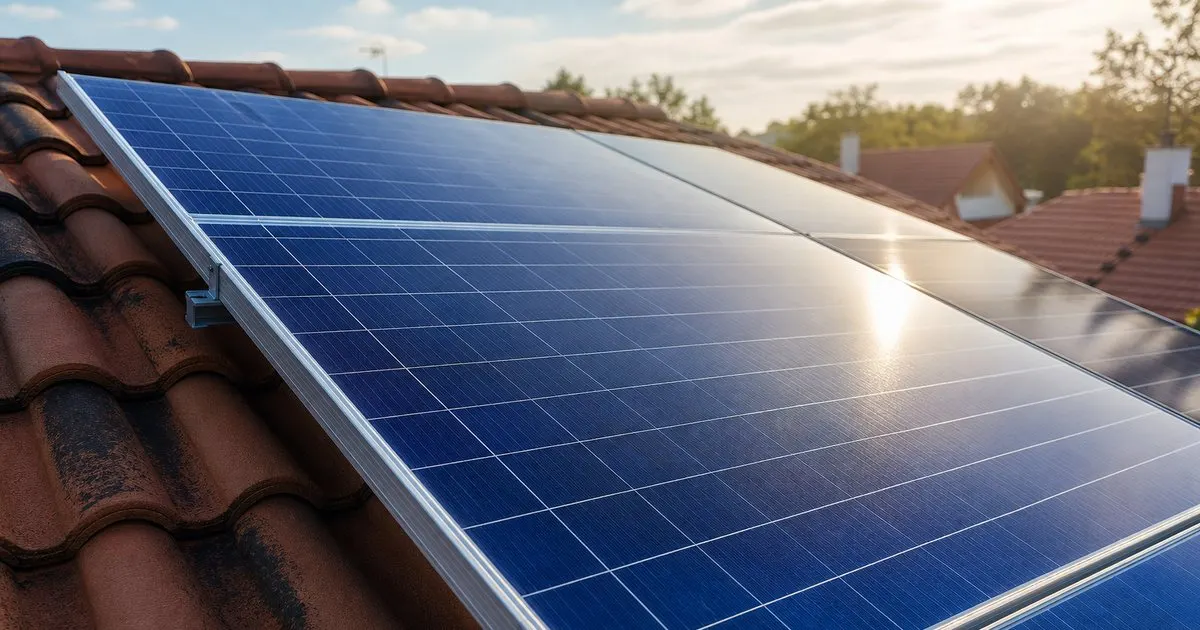
What Panel Qualities Actually Determine Your Solar System's Lifetime Output?
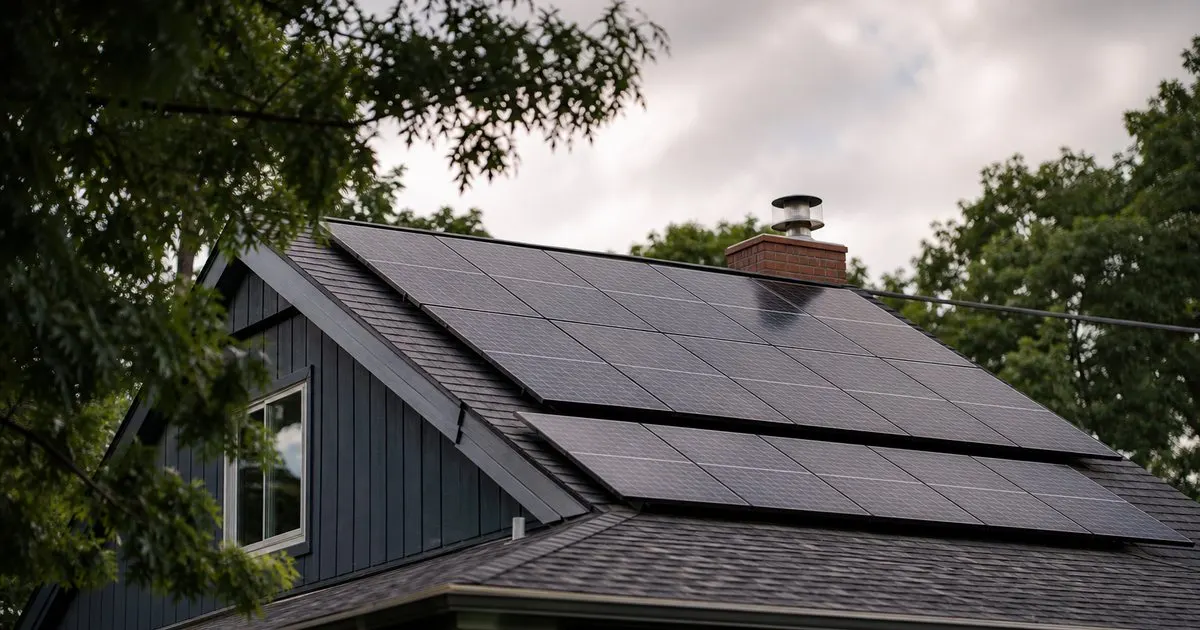
Which Inverter Design Best Suits A Complex Or Partly Shaded Roof?
Get the complete home solar and storage guide
Our full buying guide, the price guide, and new research as we publish it. One email, no spam, unsubscribe any time.