How Long Should A Homeowner Expect To Wait Between Signing A Solar Contract And Switching On?
Most of a solar project's calendar is spent on permits, utility interconnection, and inspections rather than on installation. Here is what each milestone involves and where the schedule usually slips.
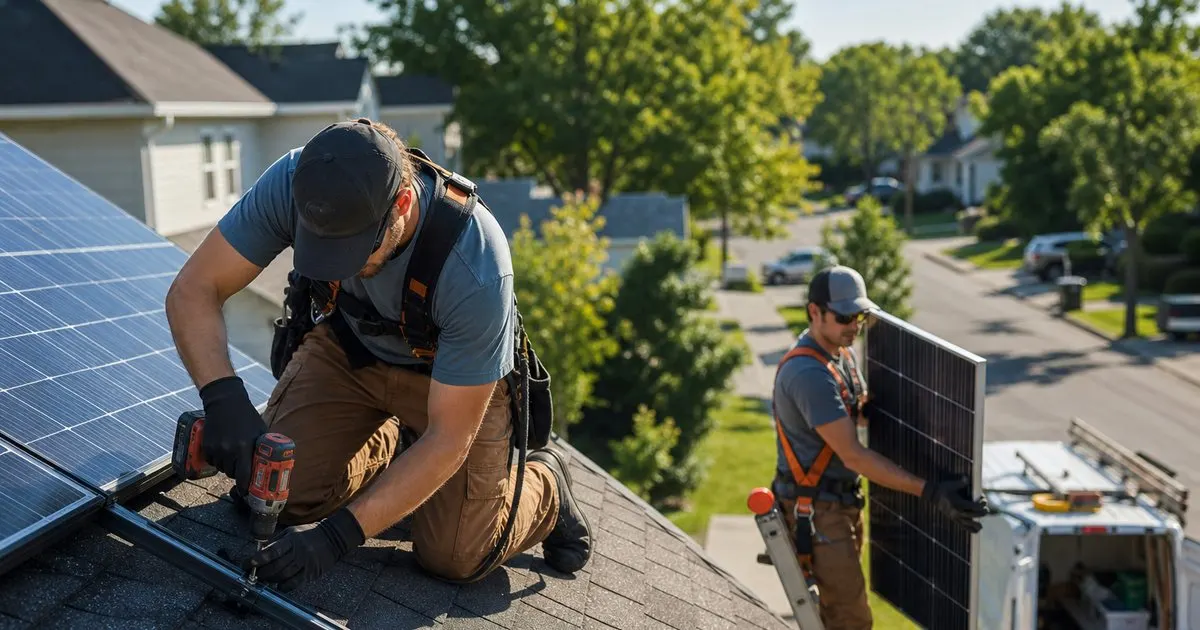
Where the Calendar Actually Goes
Installation day is the shortest part of a solar project. A typical residential array goes up in one to three days, and a battery adds roughly another day. Everything surrounding it takes longer: a site survey and roof assessment, an engineering review that may call for a structural letter, a final design and one-line diagram, submission to the building department, a separate application to the utility for interconnection, equipment procurement, then inspection and permission to operate. Measured from signature to switch-on, many homeowners land somewhere in the range of two to four months, with wide variation by jurisdiction. Related: Which Inverter Design Best Suits A Complex Or Partly Shaded Roof?
The sequence matters because several of those steps run in series rather than in parallel. A design cannot be submitted until the survey resolves roof structure and service panel capacity. The utility application usually depends on the stamped design. Inspection cannot be booked until the installation passes the contractor's own quality check, and permission to operate cannot be requested until the jurisdiction has signed off. One late document early in that chain pushes every later date, which is why a project that appears stalled is often waiting on a single unglamorous item. Related: What Panel Qualities Actually Determine Your Solar System's Lifetime Output?
Keep reading: How Do You Compare Home Solar Quotes On Substance, Not Salesmanship?, What Panel Qualities Actually Determine Your Solar System's Lifetime Output?, Which Inverter Design Best Suits A Complex Or Partly Shaded Roof?. See how Solarholm helps you the homeowner guide to premium solar and home batteries.
The Five Places Schedules Usually Slip
Permitting queues come first. Some jurisdictions run automated or same-week approvals, while others take many weeks and issue correction notices that require a redesign and a resubmission. The utility comes second. Interconnection review has its own queue, and in territories with heavy solar adoption a study or a distribution upgrade can add months to the wait. The service panel is third. If your existing panel cannot host the interconnection safely, the remedy may be a main breaker downgrade, a supply-side tap, or a full upgrade that requires the utility to disconnect and re-energize the service. Related: Are Premium Solar Panels Worth The Extra Cost Over Budget Options?
Equipment is fourth. Batteries and specific inverter models move in and out of availability, and a substitution partway through can trigger a redesign plus a fresh permit review. The fifth is the household, in the sense that projects wait on homeowner items more often than anyone likes to admit: an architectural committee that meets monthly, a utility account number nobody sent, a roof repair that has to happen first, or an attic packed too tightly for the installer to reach the structure. None of these is exotic, and all of them are visible in advance if somebody asks early. Related: Why Do Two Solar Quotes For One Roof Differ So Greatly?
What to Put in the Contract Before You Sign
Ask for the milestone schedule in writing, with target dates for the survey, permit submission, utility submission, installation, inspection, and permission to operate. Tie the payment schedule to those milestones rather than to the calendar, so money moves when work is genuinely done. Clarify who pays for a redesign caused by a permit correction, a new structural requirement, or a panel upgrade discovered after signing, because that ambiguity is the single most common source of a mid-project change order and the argument that follows it.
Two further clauses deserve attention. The first is equipment substitution: define what happens if the specified panel, inverter, or battery becomes unavailable, and require your written approval for any change along with a matching or better specification. The second is delay: a serious contract states what follows if permission to operate has not arrived by a defined outside date, whether that means a credit, a cancellation right, or a documented status review. You are not hunting for punitive terms. You are looking for evidence that the installer plans in milestones rather than in optimism.
How to Keep Your Own Project Moving
Respond within a day to every document request, and send the utility account number, a recent bill, and any homeowners association contact details before anyone asks. Name one household decision maker so the installer is not reconciling two different answers. Ask for the building permit number and the utility application reference as soon as they exist, then check status yourself if a week goes quiet. Polite, specific follow-up outperforms general frustration: asking which milestone is currently open and what it is waiting on tends to produce a real answer.
Prepare the site so installation day does not become two. Clear access to the electrical panel, the attic hatch, and the side yard, plan for the driveway to be occupied, and expect at least one power interruption while the interconnection is made. Do not operate the system before permission to operate is granted, even if the installer leaves it commissioned and switched off, because unauthorized export can create a genuine problem with the utility. Finally, put the inspection date on your calendar and be available, since a missed appointment often costs another full cycle in the queue.
- Signature to switch-on commonly runs a few months, while the installation itself is typically one to three days; permits, utility review, and inspection consume the rest.
- Milestones run in series, so one missing document or a single permit correction pushes every downstream date.
- Service panel capacity, equipment availability, and architectural review are the surprises that most often add weeks after the contract is signed.
- Tie payments to milestones, settle in advance who pays for redesigns, and require written approval before any equipment substitution.

Julien Jimenez
Julien Jimenez is an independent software builder based in Paris. He designs, ships, and operates focused SaaS products for small businesses and independent professionals. Read the full author page.
Power That Works For Decades
The homeowner guide to premium solar and home batteries. Solarholm is built to help you put this into practice.
Get a solar planMore from the Solarholm blog
How Do You Compare Home Solar Quotes On Substance, Not Salesmanship?

What Panel Qualities Actually Determine Your Solar System's Lifetime Output?
Which Inverter Design Best Suits A Complex Or Partly Shaded Roof?
Get the complete home solar and storage guide
Our full buying guide, the price guide, and new research as we publish it. One email, no spam, unsubscribe any time.