What Should A Homeowner Do When A New Solar System Underperforms Its Estimate?
Monitoring says one thing, the proposal promised another, and the installer is not calling back. Here is how to tell weather from fault, read the data properly, and escalate with evidence rather than frustration.
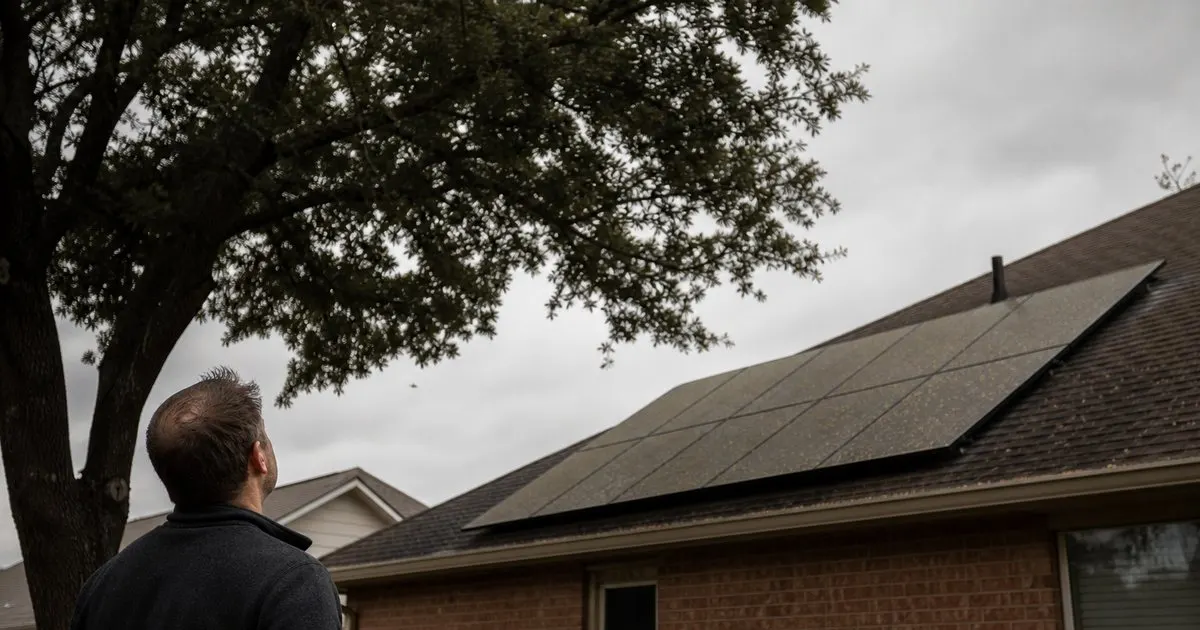
First, separate weather from fault
A production estimate is an annual figure built from long-term average weather, and no single month, season, or even year will match it exactly. A cloudy spring, an unusually smoky summer, or an early snow can pull a system well below its estimate without anything being wrong. Before concluding that the system is faulty, compare the shortfall with what the weather would predict. Free solar irradiance tools and the historical weather record for your area can tell you whether the sky delivered less than average during the period you are questioning. Related: How Do You Compare Home Solar Quotes On Substance, Not Salesmanship?
The fairest evaluation window is a full twelve months, because it averages out seasonal swings and lets you compare directly with the annual estimate. That said, you should not wait a year to look for obvious problems. A system that produces nothing on a clear day, or one where output is far below neighbors with similar arrays, deserves attention now. The discipline is to distinguish between a modest shortfall that may be weather and a large or structural shortfall that points to equipment, shading, or a design assumption that was wrong from the start. Related: What Panel Qualities Actually Determine Your Solar System's Lifetime Output?
Keep reading: How Do You Compare Home Solar Quotes On Substance, Not Salesmanship?, What Panel Qualities Actually Determine Your Solar System's Lifetime Output?, Which Inverter Design Best Suits A Complex Or Partly Shaded Roof?. See how Solarholm helps you the homeowner guide to premium solar and home batteries.
Read the monitoring the right way
Most modern systems provide monitoring at the string level or at the individual panel level, and the granularity determines what you can see. With panel-level data, look for modules that are consistently lower than their neighbors at the same hour, which suggests soiling, localized shading, or a failing optimizer. Look for panels that read zero, which may indicate a disconnected connector or a device fault. With string-level data, a whole string reading low or absent points toward a wiring or fuse issue rather than a single module.
Two patterns deserve special interpretation. Flat-topped daily production curves usually indicate inverter clipping, which means the array can produce more than the inverter can process at midday. That is often a deliberate design choice to improve morning and afternoon capture, and it is not a defect, though it is worth confirming that the designer intended it. The other is a gap in the data rather than a gap in production: a monitoring gateway that drops off the home network will show zero even while the system is generating normally. Check the inverter's own indicators before assuming the array stopped. Related: Which Inverter Design Best Suits A Complex Or Partly Shaded Roof?
Common culprits and their fixes
Soiling is the most common and the easiest to address. Pollen, dust, bird droppings, and leaf litter accumulate more on low-tilt arrays and in dry seasons, and a modest drop that recovers after rain is almost always soiling. New shading is next: trees grow, neighbors build, and a chimney shadow that was harmless in June can cover a panel in December. Compare the current shade pattern with the shade analysis in your proposal, and if the installer never provided one, that omission is itself a finding.
Equipment faults present differently. A tripped breaker or a rapid shutdown fault can take an entire system offline until someone resets it. An inverter that repeatedly restarts, throws error codes, or runs hot deserves a service call. Loose connectors under the array can cause intermittent drops on hot afternoons. Snow and ice can hold production at zero for days without any fault at all. Keep a simple log of dates, weather, and readings, because a written record is what turns a vague feeling of underperformance into a claim that an installer or manufacturer must answer. Related: Why Do Two Solar Quotes For One Roof Differ So Greatly?
Escalating with the installer
Start with the contract. If it contains a production guarantee, read the reconciliation terms: many measure over a full year and pay a shortfall at a stated rate per kilowatt-hour, and some require that the system be unshaded and cleaned to your responsibility. If there is no guarantee, the estimate is still a representation you relied on, and a large gap is grounds for a service visit at minimum. Write to the installer with your monitoring data, your log, and a clear request for a site inspection, and give a reasonable deadline for a response.
If the installer is unresponsive or disputes the findings, engage an independent solar technician to inspect the array, test the strings, and image the panels for hot spots. Their report carries weight with the manufacturer, whose warranty may apply to failing modules or inverters regardless of the installer's cooperation. If the installer's conduct violates your contract, a complaint to the state contractor licensing board is a real lever, since it can affect the company's license. Most underperformance disputes are resolved well before that point, but the homeowner who arrives with data and a paper trail is the one who gets resolved first.
- Compare any shortfall with actual weather before assuming a fault, and judge the annual estimate over a full twelve months.
- Panel-level monitoring reveals soiled or failing modules, while a flat-topped curve is usually intentional inverter clipping rather than a defect.
- Soiling, new shading, tripped breakers, and offline monitoring gateways explain most apparent underperformance.
- Escalate with a written log, monitoring exports, and the production guarantee terms, and bring in an independent technician if the installer stalls.

Julien Jimenez
Julien Jimenez is an independent software builder based in Paris. He designs, ships, and operates focused SaaS products for small businesses and independent professionals. Read the full author page.
Power That Works For Decades
The homeowner guide to premium solar and home batteries. Solarholm is built to help you put this into practice.
Get a solar planMore from the Solarholm blog
How Do You Compare Home Solar Quotes On Substance, Not Salesmanship?
What Panel Qualities Actually Determine Your Solar System's Lifetime Output?
Which Inverter Design Best Suits A Complex Or Partly Shaded Roof?
Get the complete home solar and storage guide
Our full buying guide, the price guide, and new research as we publish it. One email, no spam, unsubscribe any time.